Guides
Single-Origin Hawaiian Chocolate, Island by Island
What 'single-origin' actually means, why the same cacao tastes different on each Hawaiian island, and how to taste the difference between Big Island, Oahu, Maui, and Kauai bars — no expert palate required.
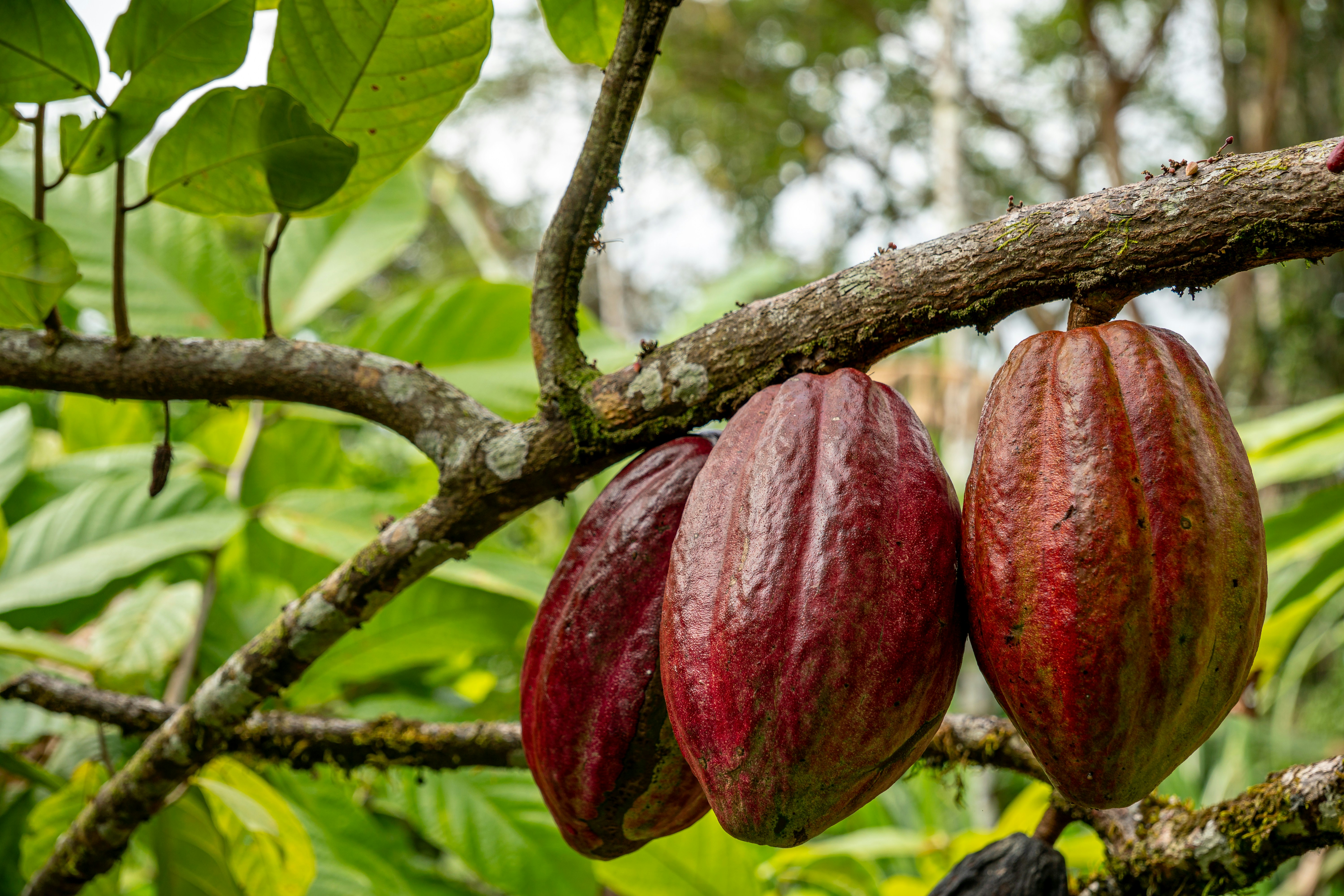
Snap a square of single-estate Hawaiian chocolate and hold it on your tongue for a second before you chew. There's the chocolate, obviously. But then, sometimes, something else drifts up behind it — a flash of something almost like dried fruit, or a faint nuttiness, or a brightness you can't quite name. You're not imagining it, and you're not failing if it stays just out of reach. That little ghost of a flavor is the island the cacao grew on, whispering through the bar.
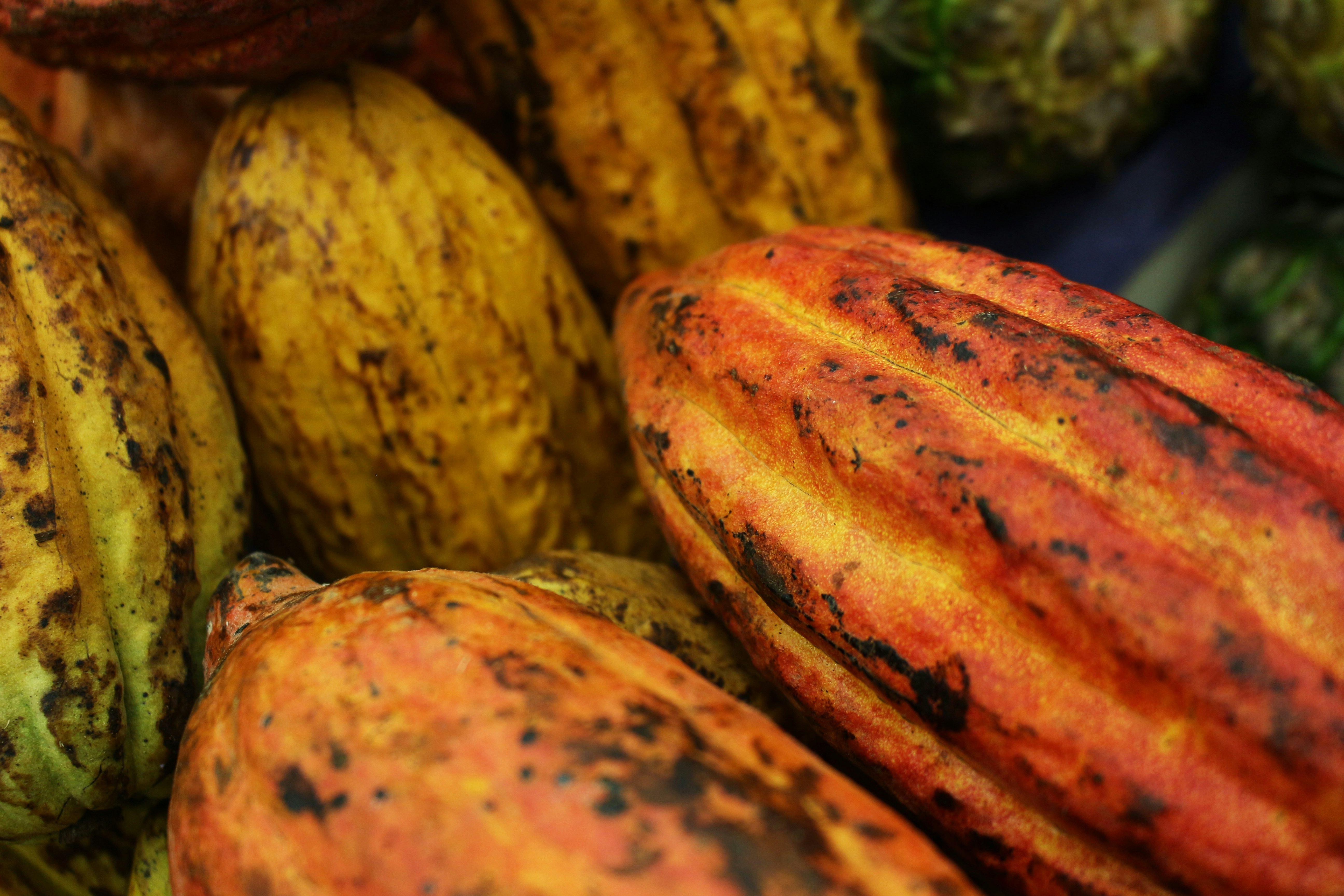
That's the whole promise of single-origin chocolate. The strange part is how local "origin" gets in Hawaii. We're used to thinking of origin as a country — Ecuador, Madagascar, Ghana. But in the islands, you can taste the difference between cacao grown on two sides of the same island, sometimes from trees that are genetically cousins. Here's what that means, why it happens, and how to taste it yourself — no certificate required.
What "single-origin" actually means (and what it doesn't)
"Single-origin" just means the cacao in the bar came from one defined place — a single country, region, farm, or even a single estate — instead of being blended from beans sourced all over the world. That's it. It's a transparency claim, not a quality grade.
Most supermarket chocolate is the opposite: a blend, engineered to taste exactly the same in every bar, every year. That consistency is a feat, and there's nothing wrong with wanting it. But it also sands off everything that makes one farm's cacao different from another's. Single-origin does the reverse — it puts the farm front and center and lets the place come through, bumps and all.
In Hawaii this gets unusually specific, because the harvests are tiny and the makers know exactly whose trees their beans came from. A bar might say "Hāmākua Coast" or name a single seven-acre orchard. That's not fluff — it's a maker telling you precisely where to point if you want more of what you just tasted.
Why the same cacao tastes different on each island
If you planted identical cacao trees on four different Hawaiian islands, you'd get four different-tasting beans. That's not a sales pitch — it's terroir, the same idea wine people use, and a few concrete things drive it:
- Soil. Hawaii's soils are volcanic but wildly varied — young lava in some places, deep weathered earth in others. What a tree pulls out of the ground shows up, faintly, in the bean.
- Rainfall. Some farms get nightly rains that irrigate the trees for free; others sit in dry zones and get watered by hand. Wet years and dry years can even shift one farm's beans from harvest to harvest.
- Elevation and microclimate. Hawaii is one of the northernmost places on earth that grows cacao commercially — cool enough that it's sometimes called the "North Pole of cacao." Cool nights and varied elevations stress the trees in ways warmer equatorial farms never see, and that stress shapes flavor.
- Genetics. Hawaiian farmers have spent years selecting trees for flavor, so the islands hold a real mix of cacao genetics — and the same lineage planted in two spots can taste noticeably different.
- Fermentation. This is the big one, and it's mostly the maker's doing. After harvest, the beans ferment for days, where a huge share of the final flavor is born. Hawaii's cool nights slow fermentation down, so makers fuss over it — insulated boxes, added heat, careful timing — and every choice nudges the taste.
Put those together and you get the thing that surprises people: identical trees, two islands, two different bars. Origin in Hawaii isn't a marketing region on a map. It's genuinely the place, doing its work on the bean.
A taste of each island (held loosely)
Here's where we have to be honest. We're not going to hand you a chart claiming Big Island cacao tastes like cherries and Kauai tastes like honey. Flavor doesn't work that way, harvests change year to year, and the biggest variable — fermentation and roast — lives with the maker, not the dirt. Anyone who promises you a fixed flavor per island is selling certainty that doesn't exist.
What we can do is point you across the islands. Treat this as a loose invitation, not a label to memorize.
- Big Island is the heart of the growing scene, spread across the Hāmākua Coast, Puna, and Kona — each with its own rain, soil, and elevation. On the Hāmākua Coast, Mauna Kea Cacao and Hāmākua Chocolate Farm grow estate cacao in a wet, overcast, volcanic stretch that makers prize for fine flavor. Expect range, not a single house style.
- Oahu is home to some of the state's largest cacao plantings, and it's a study in contrasts within one island. Mānoa Chocolate, out of Kailua on the windward side, works directly with a handful of island growers and releases true single-origin bars at different percentages — a tidy way to taste one farm cleanly. Over on the North Shore, Lonohana Estate grows its own cacao in a planted forest and bottles up that single estate into tightly made bars.
- Maui brings a drier, sunnier growing profile. Maui Kuʻia Estate grows cacao on a large estate above Lahaina and makes some of the most polished single-estate bars in the islands — a friendly place to start if "single-origin" sounds intimidating.
- Kauai, the wet and famously fertile "Garden Isle," grows the smallest amount but punches far above it. Lydgate Farms has had its beans ranked among the world's top 50 at a major international cacao competition — a sign that tiny-batch island cacao can hold its own against far bigger growing regions.
How to taste the difference (anyone can do this)
You do not need a trained palate or a fancy vocabulary to taste single-origin chocolate. You need two or three bars and a little patience. Here's a simple, no-pressure way in:
- Taste in the morning if you can. Your palate is freshest before coffee and lunch run it through the wringer.
- Go side by side. A Big Island bar and a Kauai bar tell you far more next to each other than either does alone. Difference is easier to notice than absolutes.
- Let it melt; don't chew right away. Park a square on your tongue and let it soften. Flavor unfolds over a few seconds — the start, middle, and finish can be three different experiences.
- Don't reach for words right away. Notice more or less, brighter or rounder, before you try to name anything specific.
And here's the part that matters most: naming flavors is genuinely hard, and your struggle to find the word is completely normal. We're all still learning this language. If one bar just tastes "better" to you and you can't say why, that's a real, valid answer. You like what you like, and no tasting note on a wrapper gets to overrule your own mouth. (Want the full method? Our guide to tasting single-origin chocolate lays it out for the times you want rigor — and plenty of times you'll just want to eat the bar, which is a perfectly good way to enjoy it too.)
Why this is worth the hunt
Single-origin Hawaiian bars cost more than a blended supermarket bar, and now you can see why: someone grew a tiny, weather-beaten harvest on one patch of island, fussed over its fermentation through cold nights, and refused to blend away the very thing that makes it taste like there. That's not a luxury markup — it's the cost of letting a place speak for itself. On most island farms the grower and the maker are the same hands, so the shelf price is paying real island labor to coax a tiny, weather-beaten harvest into a bar — which is also a big part of why Hawaiian cacao keeps winning outsized international awards from a state that grows a near-invisible sliver of the world's crop.
For the backstory of how cacao reached these islands, our history of Hawaiian cacao fills in the rest. But the best way to understand single-origin is the simplest one: put two island bars side by side and taste.
Ready to build your own island flight? Explore Hawaiian chocolate makers across every island and pick a bar from each.
Keep reading
Related Articles
42 places on the map
Explore Hawaiian Chocolate
Discover 42 cacao farms, bean-to-bar makers, and tasting experiences across the Hawaiian islands.