Guides
Hawaiian Cacao Farm Tours: A By-Island Guide to Tasting Chocolate at the Source
An island-by-island guide to bookable Hawaiian cacao farm tours and tastings — what to expect, how to book, and what's actually worth it. No tasting experience required; anyone can do this.
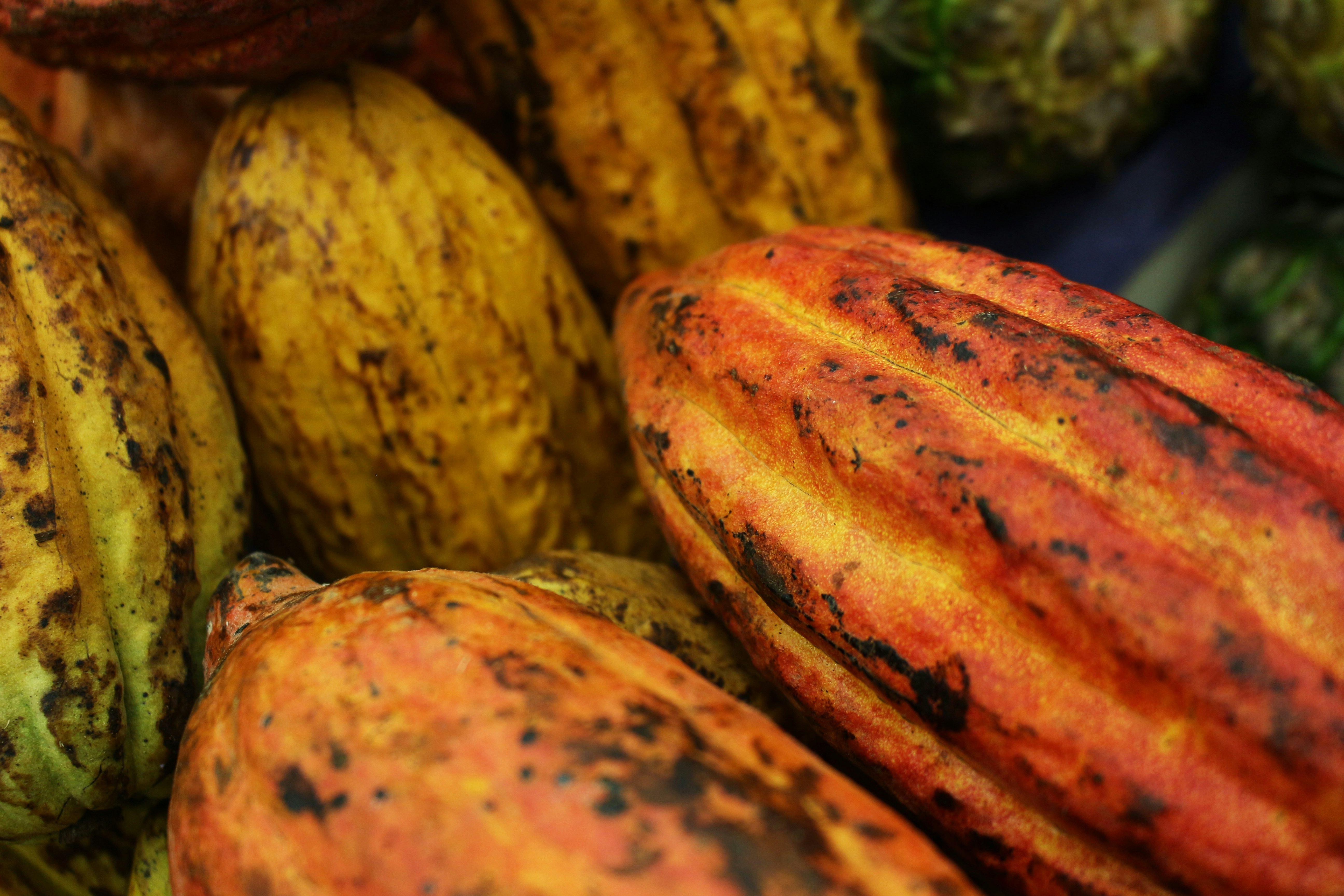
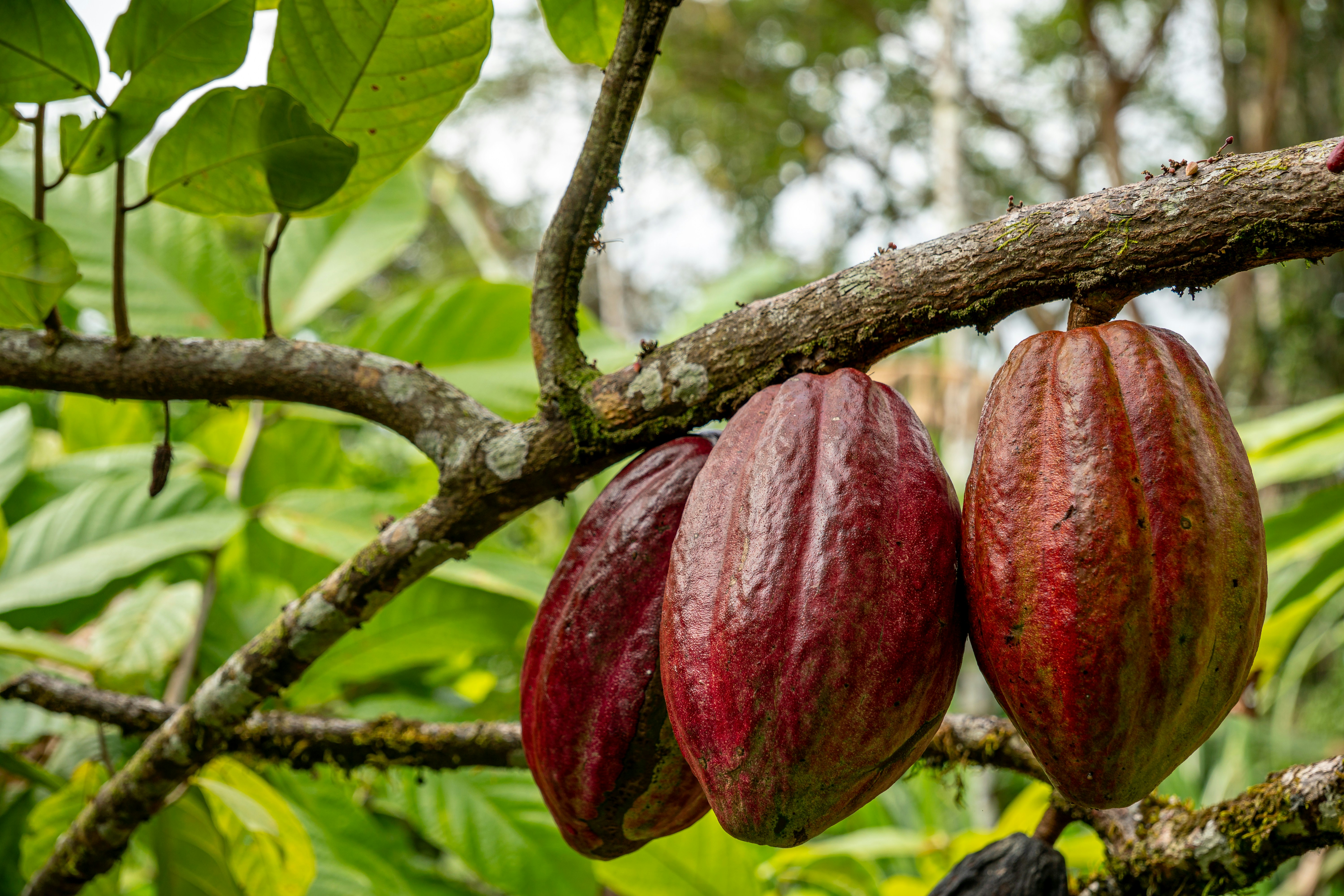
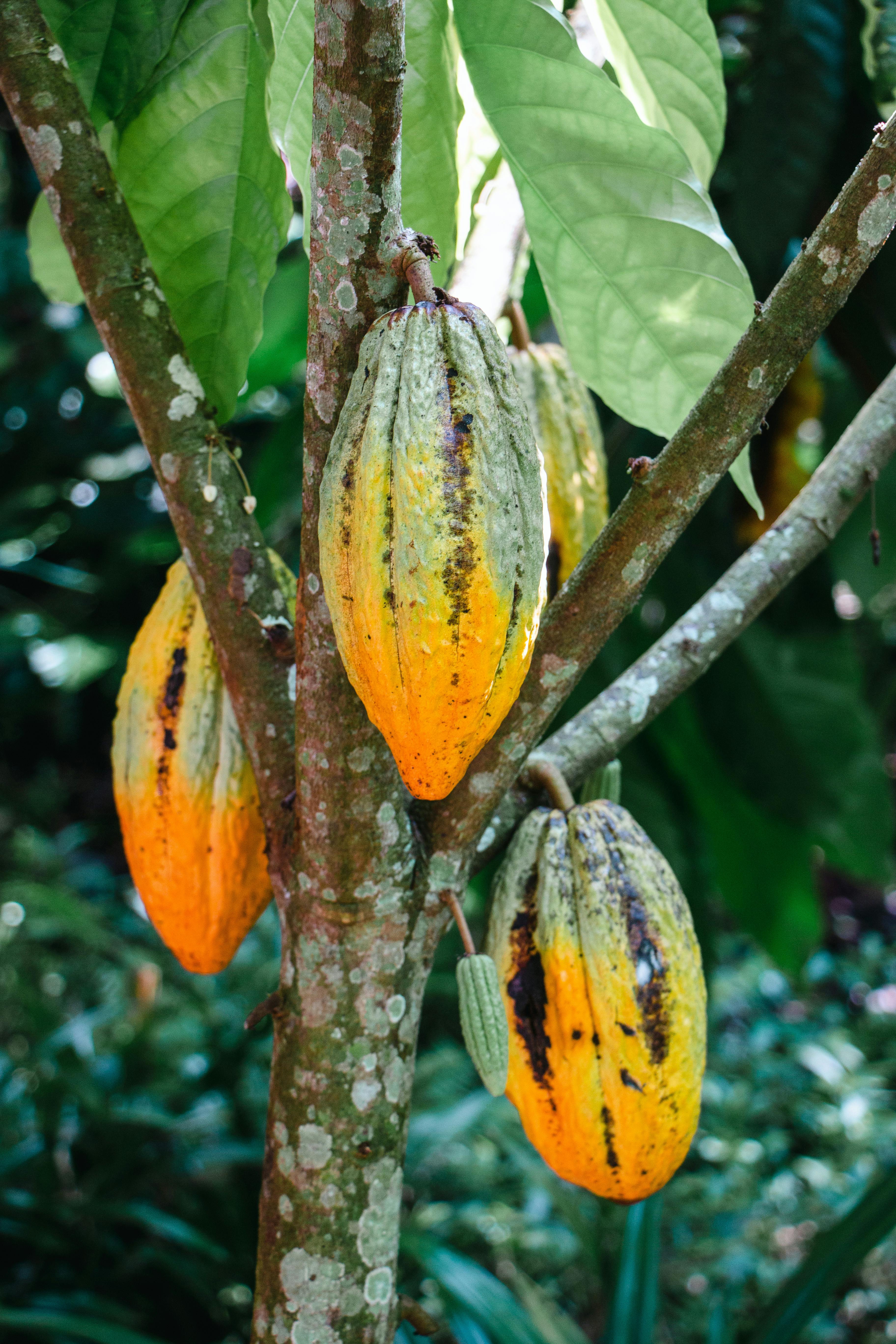
Crack open a ripe cacao pod and the first surprise is that it smells nothing like chocolate. Inside the football-shaped shell is a cluster of seeds wrapped in slippery white pulp, and the pulp tastes like a tart tropical fruit — somewhere between lychee, mango, and lemonade. People taste it on a Hawaiian farm tour, make a face, and ask the same question every time: how does this become a chocolate bar?
That question is the whole reason these tours exist. Hawaii is the only U.S. state that grows cacao commercially — one of the very few places on earth where you can stand in the orchard, taste the fruit off the tree, see how the beans are fermented and roasted, then sit down to a chocolate tasting made from those exact beans, all in an afternoon. You don't need to know anything about chocolate to get a lot out of it. Tasting is democratic; anyone can do it. The farm just gives you the context that makes the bar make sense.
Here's a by-island guide to the farms you can actually book, what each one is like, and how to think about which is worth your time.
What a cacao farm tour actually is (and what to expect)
Most Hawaiian cacao tours follow the same arc, whether they run one hour or three:
- The orchard walk. A guide shows you the trees, the flowers (cacao blooms straight out of the trunk, which is wonderfully strange), and the pods at different stages. If pods are ripe, you taste the fresh fruit.
- The processing story. Harvest, fermentation, drying, roasting, winnowing, grinding. This is the part that turns "fruit" into "chocolate" in your head, and it's genuinely the aha of the whole thing.
- The tasting. You sit down with finished bars — usually several, sometimes a dozen — and taste them slowly instead of just eating them.
That last distinction matters. Tasting and eating are two different modes. Eating is what you do with a candy bar in the car. Tasting means slowing down: looking at the chocolate, smelling it, letting a square melt on your tongue instead of chewing, noticing what shows up. Both are completely valid, and a good guide will give you the method without making you feel like you're being graded on it.
Big Island — the most farms, the most choice
Hawaiʻi Island has more cacao farms than anywhere else in the state, and the widest range of tours, from quick-and-cheap to half-a-day immersive.
Hāmākua Chocolate Farm (Papaʻikou, near Hilo)
This is the big, scenic one. On the lush Hāmākua coast just above Hilo, the Hāmākua Chocolate Farm runs a roughly three-hour "tree to bar" experience that walks you through the orchard and gardens, across a suspension bridge, and finishes with a long, multi-course chocolate tasting on a lanai over the Pacific. It runs around $99 per person on select days (recently Wednesdays and Saturdays), with a small minimum group size — but check their site for current pricing, days, and availability, because those shift seasonally. Best for: people who want the full, unhurried experience and a view.
Honokaʻa Chocolate Co. (Honokaʻa)
Smaller, more personal, founder-led. The Honokaʻa Chocolate Farm tour is about two hours — an orchard walk plus a roughly 45-minute tasting of their award-winning bars, often with the founder himself. It has typically run weekday afternoons for around $95 per person, with groups capped small, but confirm the current price and schedule before you go. Best for: travelers who want real one-on-one time and a maker who can answer anything you throw at him.
The Original Hawaiian Chocolate Factory (Kona)
If you want the easiest, most affordable way to see a working Hawaiian cacao operation, this is it. The Original Hawaiian Chocolate Factory above Kona runs a roughly one-hour walking tour of the orchard with a chocolate sampling, and it's been the lowest-cost option of the bunch — recently around $30 per adult and $12 for kids, on weekday mornings, with reservations required (it's an active plantation). As always, verify the current price and times on their site. Best for: families, budget-conscious travelers, and anyone who wants the essence without committing a whole afternoon.
Oahu — easy to reach from Honolulu
You can do a real cacao experience on Oahu without a long drive, which makes it the most accessible island for a first-timer.
Mānoa Chocolate factory tour (Kailua)
In Kailua town, Mānoa Chocolate runs a short factory tour — about 45 minutes — where you see the bean-to-bar process up close and taste your way through a generous spread of their chocolate. It's recently run around $45 per adult (kids less), on weekdays, with a take-home bar included; check current pricing and times when you book. Note the factory tour is at a separate spot from their tasting room, and there are a couple of flights of stairs. Best for: anyone based in Honolulu/Waikīkī who wants a great chocolate experience without a farm-length time commitment.
Kamananui cacao orchard tour (North Shore)
For the actual farm experience on Oahu, head to the North Shore. The Kamananui cacao farm tour — run by Mānoa near Waialua, in the shadow of the Waianae range — is roughly a 1.5-hour orchard walk with a fresh-fruit tasting and a sit-down chocolate tasting in the pavilion. It's recently been about $89 per adult and $69 per child, but confirm current pricing and the day/time schedule directly. Best for: pairing with a North Shore day trip when you want trees, not just a factory floor.
Kauai — the destination tour
Lydgate Farms (Kapaʻa)
Kauai's Lydgate Farms runs one of the most acclaimed tours in the islands — and one of the most ambitious. It's about three hours and goes well beyond cacao: a stroll through the botanical gardens with estate honey, vanilla, and a tropical-fruit tasting, capped by a long bean-to-bar chocolate tasting in a shaded tent. Lydgate's beans have been ranked among the world's top 50 at the Cacao of Excellence awards, so the chocolate at the end is the real reward. It's recently run around $145 per adult, by reservation only, on weekdays — and it sells out, so book ahead and confirm current pricing on their site. Best for: people treating the tour as a destination in itself, not a quick stop.
How to choose — and how to book
A few honest rules of thumb:
- Short on time or budget? The Original Hawaiian Chocolate Factory (Big Island) or the Mānoa factory tour (Oahu) get you the bean-to-bar story in about an hour.
- Want the full immersive day? Hāmākua (Big Island) or Lydgate (Kauai).
- Want a real farm, not a factory, on Oahu? Kamananui on the North Shore.
One rule applies across the board: book in advance. Almost all of these are reservation-only, several are founder-led with small group caps, and the best ones sell out a week to a month out in busy seasons. Prices and schedules on small-farm operations change often, so treat every number here as a ballpark and confirm directly with the operator before you plan your day around it.
One more thing worth saying. A craft bar costs more than a supermarket one for concrete reasons: Hawaii's land and labor aren't cheap, the harvests are tiny and hand-picked, and on most of these farms the people growing the cacao are the same people making the chocolate. Compare that with a supermarket bar built on commodity cocoa, where the farmer who grew the beans might see 50 to 80 cents a pound. When you taste at the source and then buy a bar from that same farm, you can see exactly where that money goes — it's standing right there in front of you. That's a big part of what makes these tours feel different from a tourist stop.
To keep the learning going, our guide to tasting single-origin chocolate walks through the slow-down method you'll use on any tasting. And if you're staying on Oahu, see where to find Hawaiian-grown chocolate on Oahu.
Ready to find a farm near where you're staying? Explore Hawaiian cacao farms and tours on the map and book the one that fits your day.
Keep reading
Related Articles
42 places on the map
Explore Hawaiian Chocolate
Discover 42 cacao farms, bean-to-bar makers, and tasting experiences across the Hawaiian islands.