History & Culture
Why Hawaiian Chocolate Is Special: Cacao History & Terroir
Why is Hawaiian chocolate special? Hawaii is the only U.S. state with commercial cacao, volcanic terroir, small-batch farms, and nearly 200 years of cacao history.
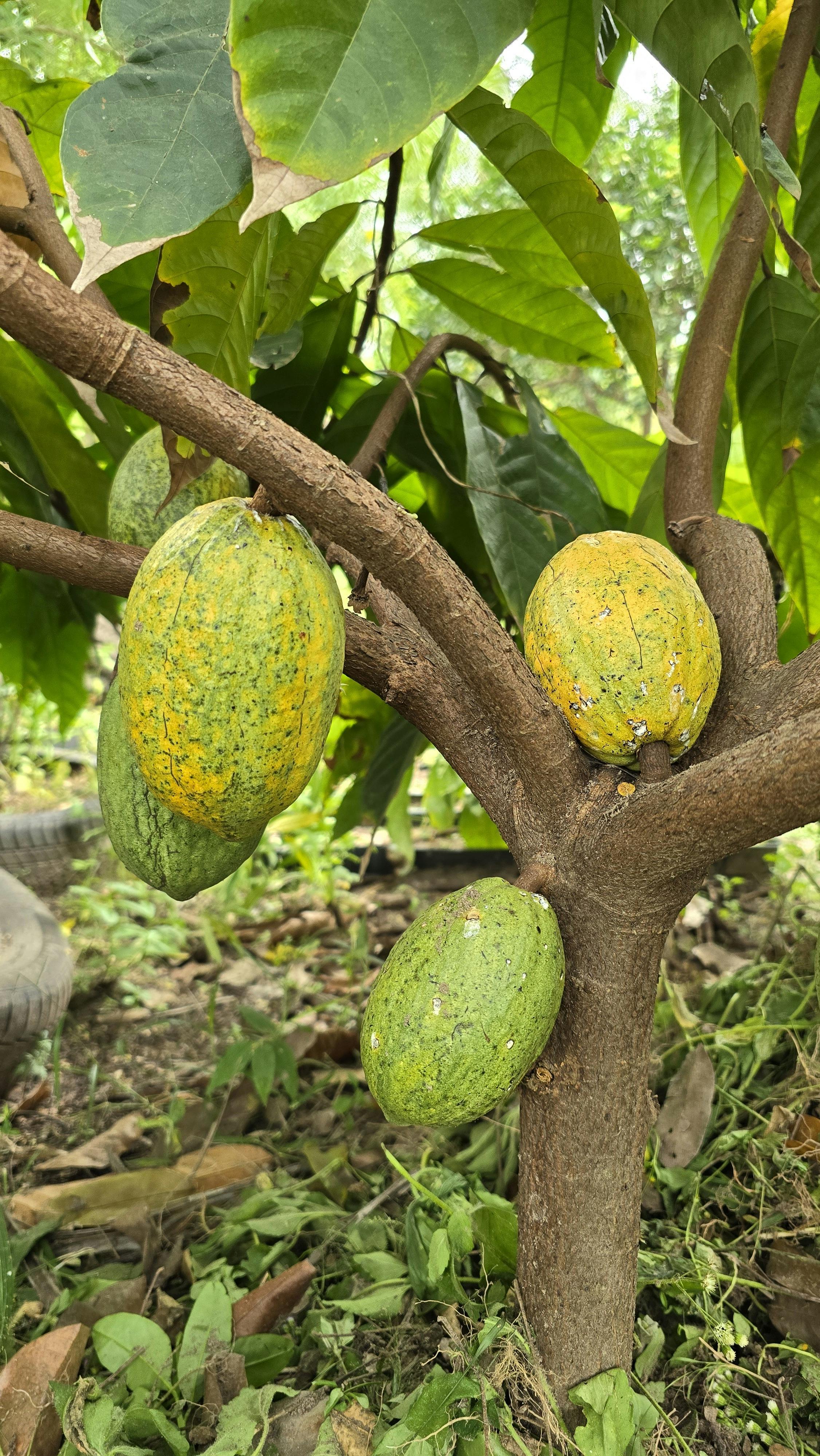
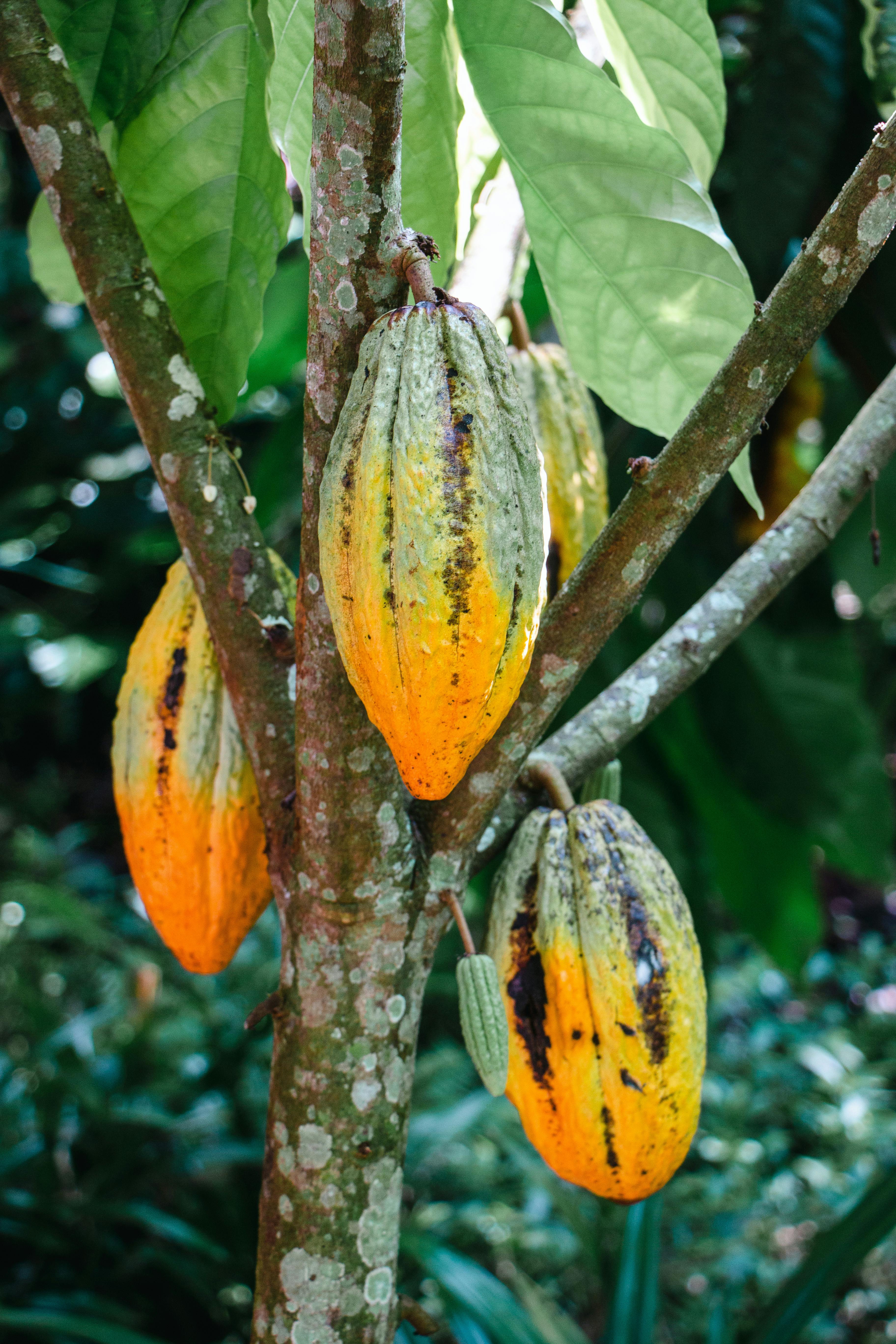
Hawaii holds a unique distinction in American agriculture: it's the only U.S. state with a commercial cacao industry. This isn't a recent development—the story of chocolate in Hawaii stretches back nearly 200 years, filled with royal gardens, failed experiments, and ultimately, a remarkable renaissance that has put Hawaiian chocolate on the world stage.
Why is Hawaiian chocolate special?
Hawaiian chocolate is special because Hawaii is the only U.S. state where cacao grows commercially. The islands combine volcanic soil, tropical microclimates, small farms, and local bean-to-bar makers, so much of the chocolate is grown, fermented, roasted, and finished close to the source. That makes Hawaiian chocolate rare, traceable, and strongly tied to place.
The First Trees: 1831
The earliest recorded cacao tree in Hawaii dates to 1831, when German botanist Franz Julius Ferdinand Meyen observed a cacao plant growing in the garden of Don Francisco de Paula Marin, a Spanish advisor to King Kamehameha I. Marin was known for introducing many plants to Hawaii, and this lonely cacao tree was among his experiments.
- 1831First Cacao RecordedGerman botanist observes cacao growing in Don Francisco de Paula Marin's garden in Honolulu
- 1850Royal IntroductionDr. William Hillebrand plants cacao at the Royal Gardens, now Foster Botanical Garden
- 1880sKing Kalākaua's GardenThe Merrie Monarch grows cacao in his personal gardens
- 1996Modern Revival BeginsDole plants 20 acres of cacao on Oahu's North Shore
- 1997First Chocolate FactoryHawaii's first chocolate processing facility opens in Keauhou, Kona
- 2000First Hawaiian ChocolateOriginal Hawaiian Chocolate Factory produces first commercial batch
- 2012Industry OrganizationHawaii Chocolate and Cacao Association (HCCA) formed
Dr. Hillebrand and the Royal Gardens
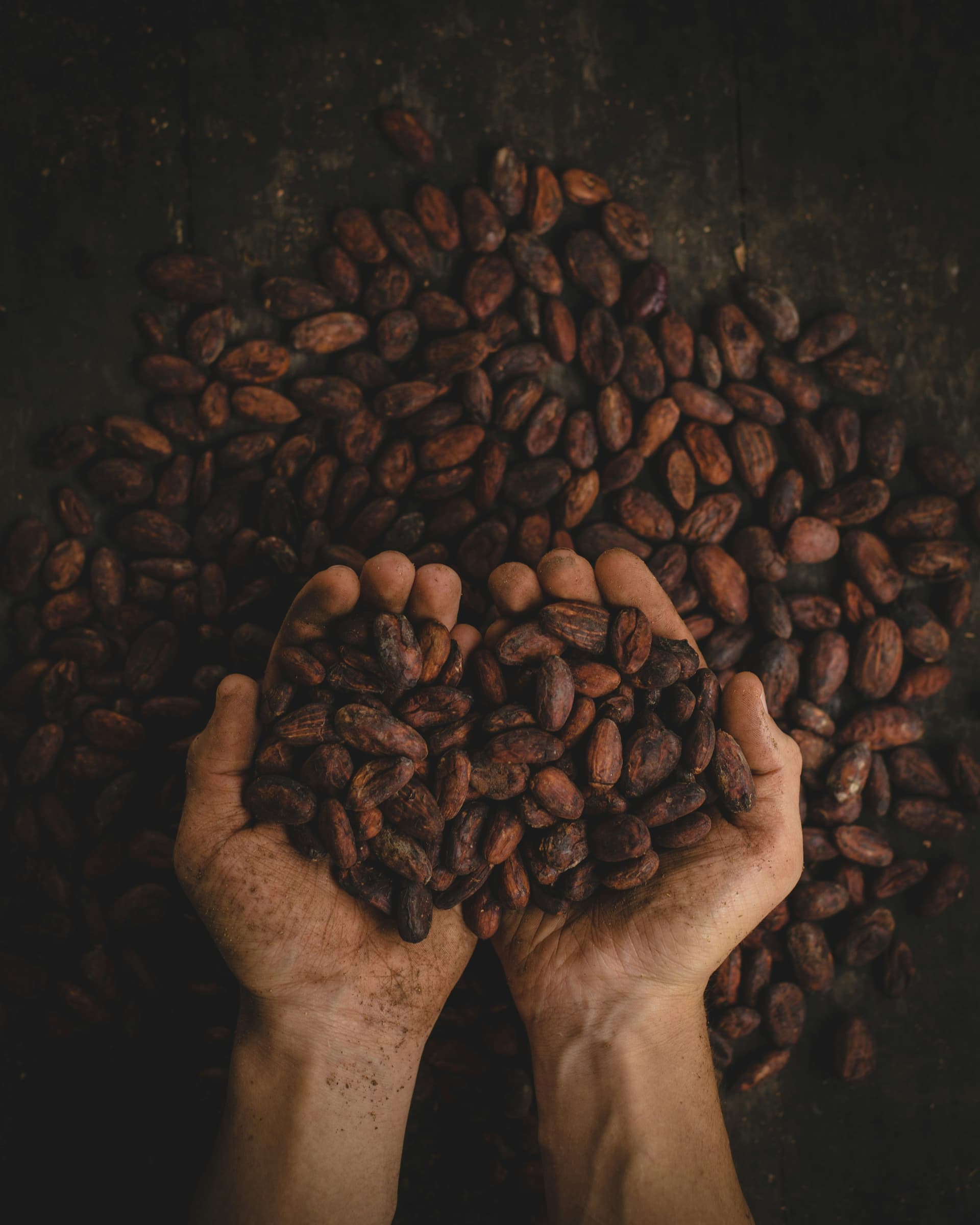
The more significant introduction came in 1850, when Dr. William Hillebrand, a German physician and botanist serving the Hawaiian monarchy, planted cacao trees at what is now Foster Botanical Garden in Honolulu. Hillebrand was experimenting with various tropical crops that might thrive in Hawaii's climate, and cacao was among his subjects.
A Century of Dormancy
Despite these early introductions, cacao never took hold as a major crop during the 19th and early 20th centuries. Several factors conspired against it:
- Sugar and pineapple dominated the agricultural landscape, commanding all available land and labor
- World War I disrupted agricultural experimentation
- Limited processing knowledge made it difficult to turn beans into chocolate
- No local market existed for specialty chocolate
For nearly a century, cacao remained a botanical curiosity—trees scattered in gardens and small plots, but never cultivated commercially.
The 1990s Revival
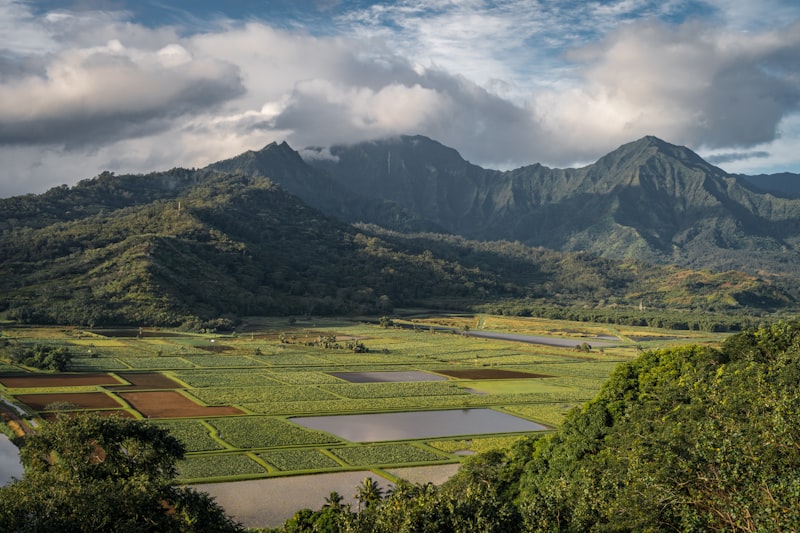
The modern Hawaiian cacao industry was born from the ashes of sugar. As sugar plantations closed across the islands in the 1980s and 1990s, farmers began searching for alternative crops. The timing coincided with the global rise of the craft chocolate movement, creating an opportunity that pioneers quickly seized.
Dole's Experiment
In 1996, the Dole Food Company planted 20 acres of cacao on Oahu's North Shore, on land that had previously grown pineapple. This was one of the first large-scale cacao plantings in Hawaii and proved that commercial cultivation was viable.
The Coopers' Vision
The true breakthrough came in 1997 when Bob and Pam Cooper established Hawaii's first chocolate processing facility in Keauhou on the Big Island. They purchased a cacao farm and spent years learning the craft of chocolate-making. By 2000, they produced their first commercial batch of chocolate under the name Original Hawaiian Chocolate Factory.
The Modern Era: 2000-Present
The 2000s and 2010s saw rapid growth in Hawaii's cacao industry. Key developments include:
New Farms Emerge: Entrepreneurs across all four major islands began planting cacao. The Hamakua Coast, East Maui, windward Oahu, and Kauai's east side all proved suitable for cultivation.
Bean-to-Bar Movement: Companies like Mānoa Chocolate, Madre Chocolate, and Lydgate Farms emerged, each bringing unique approaches to Hawaiian chocolate-making.
Industry Organization: In 2012, stakeholders formed the Hawaii Chocolate and Cacao Association (HCCA) to promote the industry, share knowledge, and advocate for cacao farmers.
International Recognition: Hawaiian cacao began winning awards at international competitions, proving that quality could rival or exceed traditional cacao-growing regions.
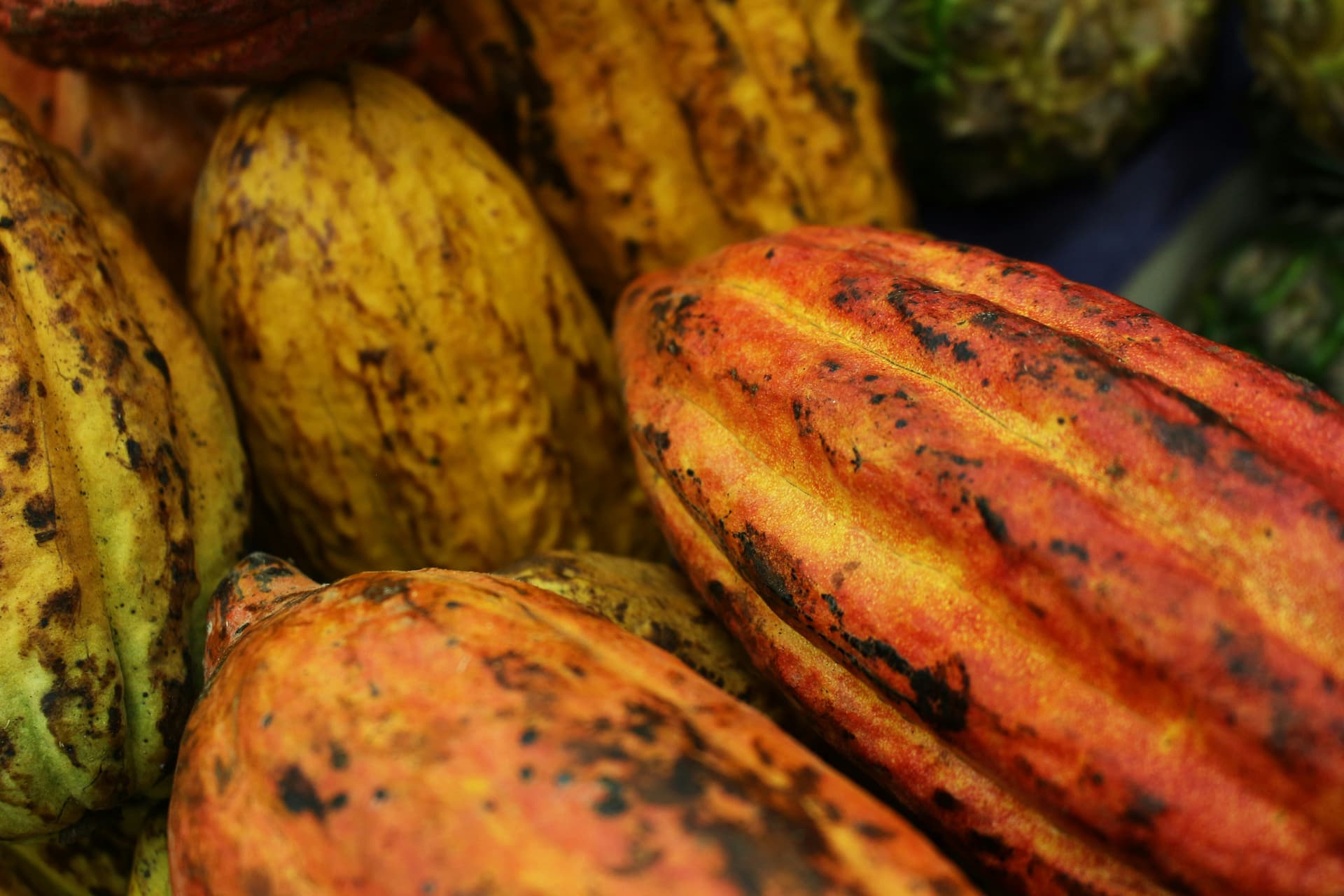
Hawaii's Unique Advantages
What makes Hawaiian cacao special? Several factors combine to create exceptional chocolate:
Disease-Free Environment
Thanks to Hawaii's geographic isolation and strict agricultural quarantine, the islands are free from devastating cacao diseases like witches' broom and frosty pod rot that plague Latin American plantations. This allows farmers to experiment with diverse cacao varieties without fear of losing entire orchards.
Microclimate Diversity
Hawaii's varied terrain creates countless microclimates. Farmers can grow cacao in wet windward valleys, then transport beans to sunny leeward areas for optimal drying—leveraging the islands' geography at every stage of production.
Vertical Integration
Because Hawaii produces such small quantities, nearly all cacao is processed locally into finished chocolate. This "bean-to-bar" approach creates a tight feedback loop between farmers and chocolate makers, enabling constant refinement of flavor.
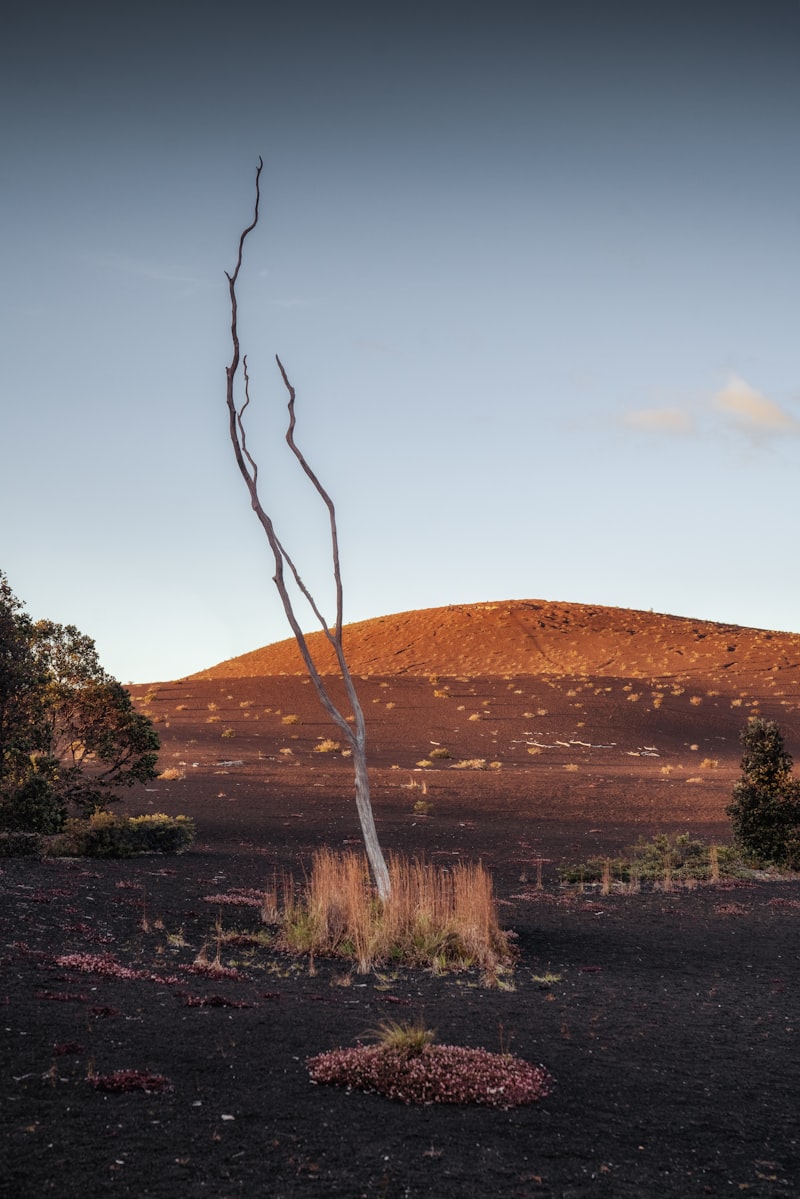
Volcanic Terroir
Rich volcanic soils contribute mineral complexity to the beans, creating flavor profiles distinct from any other origin.
The Numbers Today
Hawaii's cacao industry remains tiny by global standards:
- ~200 acres of cacao statewide
- 0.0001% of world cacao production
- 50+ farms across four islands
- Over 10% of Gold awards at recent Cocoa of Excellence competitions (despite minuscule volume)
The final statistic tells the real story: Hawaii has chosen quality over quantity, producing some of the world's finest cacao rather than competing on volume.
Looking Forward
The future looks bright for Hawaiian chocolate. In 2024, Hawaii's government allocated $6.9 million for a Tropical Agriculture center of excellence, including cacao research. Industry leaders envision Hawaii becoming the "Napa Valley of Chocolate"—a destination where visitors tour cacao farms, attend chocolate festivals, and taste single-origin bars at the source.
Nearly 200 years after that first cacao tree appeared in Don Francisco de Paula Marin's garden, Hawaiian chocolate has finally come into its own. From royal curiosity to world-class craft, it's a story still being written—one delicious bar at a time.
Want to experience this history firsthand? Explore our interactive map to find cacao farms and chocolate makers across the Hawaiian islands.
Keep reading
Related Articles
42 places on the map
Explore Hawaiian Chocolate
Discover 42 cacao farms, bean-to-bar makers, and tasting experiences across the Hawaiian islands.