Guides
A Chocolate Lover's Day on Oahu: One Honest Island Itinerary
A realistic one-day Oahu chocolate itinerary — a North Shore cacao orchard, a Kailua tasting room, a Kakaʻako tasting bar, and a Saturday market — with honest drive times and no snobbery required.
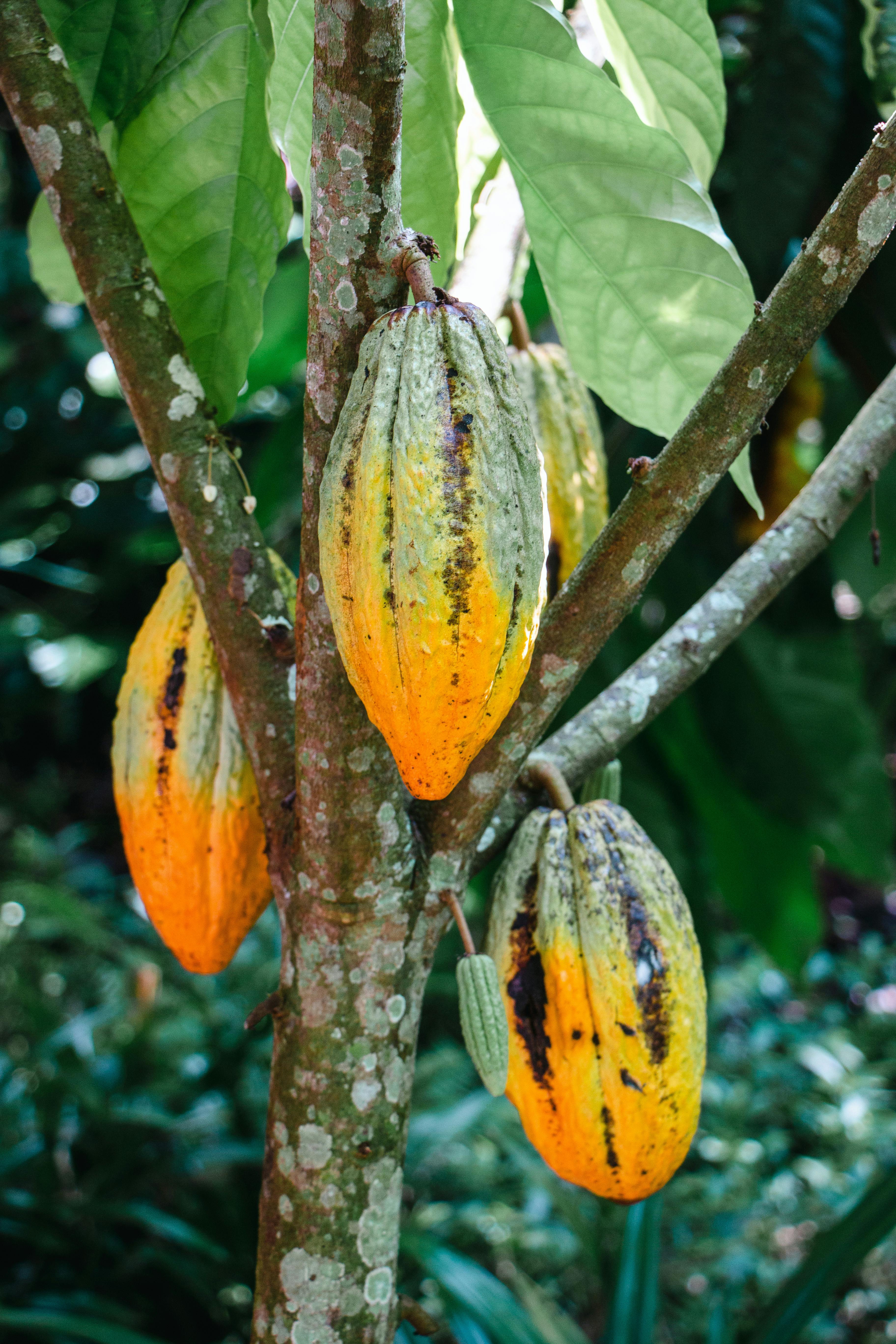
It's a little before nine on the North Shore, and you're standing under a cacao tree with a pod cracked open in your hands. Inside, the beans are wrapped in white pulp that tastes nothing like a chocolate bar — bright, tropical, somewhere between lychee and mango. This is where chocolate actually starts, long before anyone roasts a thing. Spend a day chasing it across Oahu and you'll end up understanding the bar in your hand better than any tasting note ever could.
Here's the good news up front: you don't need a trained palate, a fancy vocabulary, or a single opinion about percentages to have a great chocolate day on Oahu. You just need a car, a loose plan, and a willingness to taste things. This is a real one-day route that strings together a working cacao orchard, two of the island's best-known craft makers, and a market stop — with honest drive times, because Oahu is bigger than it looks on a map.
A quick note on geography (so you don't blow your whole day driving)
Oahu's chocolate isn't clustered in one walkable neighborhood. The three anchor stops sit in three different parts of the island:
- Kamananui Cacao Orchard is in Waialua, out on the North Shore — the working farm, where cacao actually grows.
- Mānoa Chocolate is in Kailua, on the windward (east) side — despite the name, the tasting room and wine bar aren't in Mānoa valley.
- Lonohana Estate Chocolate's tasting bar is in Kakaʻako, in urban Honolulu near downtown.
The North Shore is the far corner. From Honolulu it's roughly an hour's drive each way depending on traffic, so the only sane move is to do the farm first, in the morning, then work your way back toward town. Trying to bounce between the North Shore and Honolulu twice in one day is how a chocolate day becomes a traffic day.
Morning: start where chocolate is born (North Shore)
Begin on the North Shore at the Kamananui cacao orchard tour, an agroforest planted in Waialua in the shadow of the Waianae range. It's run in partnership with Mānoa Chocolate, and it's the part of the day that reorganizes how you think about everything else. You'll walk among the trees, see how a pod becomes a bean, taste the fresh fruit pulp (genuinely surprising), and finish with a guided chocolate tasting in the orchard pavilion.
This is the difference between tasting and eating made physical. Eating chocolate is what you do on the couch. Tasting is slowing down enough to notice what's actually in the bar — and there's no better classroom than standing in the orchard the cacao came from. You don't have to be good at it. Nobody is, at first; naming flavors is hard for everyone, and the point is curiosity, not a correct answer.
Once the tour wraps, you're already on the North Shore — so grab a bite, watch the surf for twenty minutes, and then point the car back toward the windward side. You've earned the detour.
Midday: Kailua, for the bean-to-bar payoff
From the North Shore, head to Mānoa Chocolate's tasting room and wine bar in Kailua. After a morning in the orchard, this is where you see the other end of the process: a working bean-to-bar maker turning Hawaiian-grown cacao into finished chocolate, with a tasting room built for exactly the kind of curiosity you just developed.
This is the stop to slow down and taste across a range — different origins, different percentages, side by side. And here's the thing the orchard already started teaching you: the percentage on the front of a bar is a description, not a grade. A 70% isn't automatically "better" or even darker-tasting than a 60%; it just tells you roughly how much of the bar is cacao versus sugar and milk. Taste two next to each other and trust what your own mouth tells you. You like what you like, and no number gets to overrule that.
Kailua is also a pleasant place to be stuck for a couple of hours — there's a famous beach nearby if you want to break the chocolate up with some sand. Check current hours before you go; the tasting room and the wine-pairing experiences keep different schedules.
Afternoon: Kakaʻako, for the single-estate finish
Loop back toward Honolulu and finish in Kakaʻako, where Lonohana Estate Chocolate's tasting bar sits in the SALT at Our Kakaʻako complex. Lonohana grows its own cacao on Oahu's North Shore and makes tightly-controlled single-estate bars in the city — so this is a chance to taste chocolate where one farm's whole harvest runs straight through to the bar — a single place you can taste, start to finish.
A flight here is a fitting bookend. You started the day in a field of trees and you're finishing with the bars those same kinds of trees become — a clean, transparent story from soil to square. That transparency is the whole point of Hawaiian craft chocolate: you can name the farm, the maker, and the percentage, with none of the smoke and mirrors that mass-market candy runs on.
Kakaʻako is walkable and full of coffee, food, and murals, so it's an easy place to wind down. As always, check the tasting bar's current hours before you build your evening around it.
Optional add-on: a Saturday market
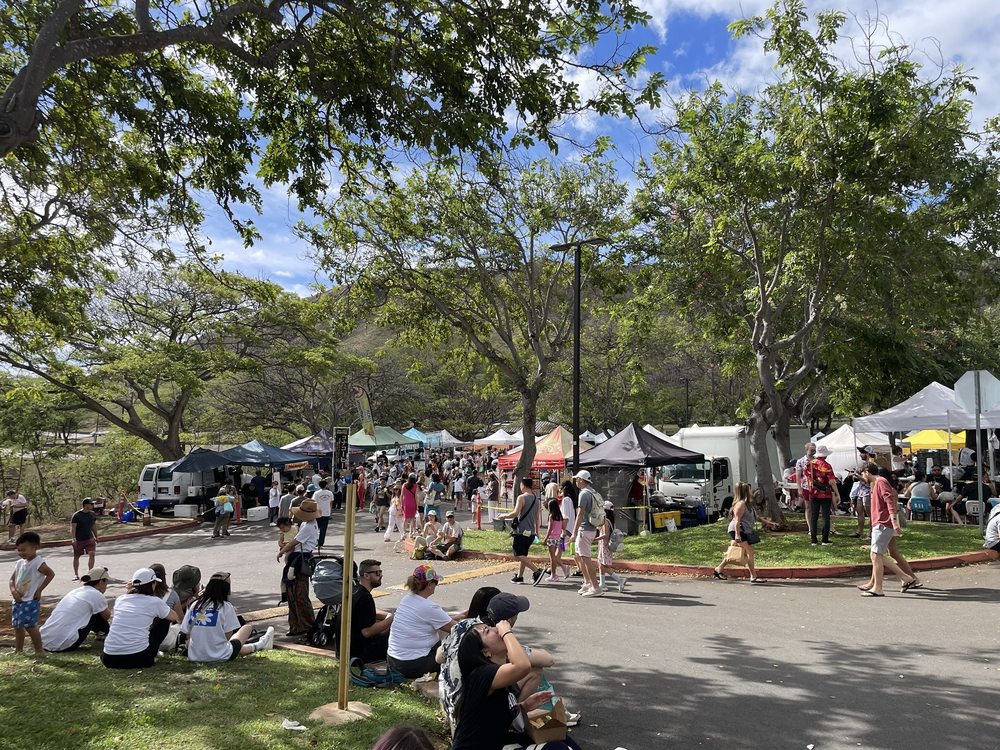
If your chocolate day lands on a Saturday, you can swap in a farmers-market stop and catch several island makers in one place. Oahu's Saturday markets — the Kakaʻako market near SALT and the KCC market across from Diamond Head among them — are reliable spots to find Hawaiian-grown chocolate alongside the produce and prepared food. Madre Chocolate, for instance, has been a regular at island farmers markets. Markets shift vendors and hours constantly, though, so treat any specific booth as a "check before you go." Our guide to Oahu farmers markets for chocolate goes deeper on which markets are worth your morning.
How to pace it (a sample timeline)
You don't need to be rigid, but a workable shape looks like this:
- Morning — North Shore cacao orchard tour (book ahead).
- Late morning — lunch and a beach breather on the North Shore.
- Midday/early afternoon — drive to Kailua; tasting flight at Mānoa Chocolate.
- Late afternoon — drive back toward Honolulu; single-estate flight at Lonohana in Kakaʻako.
- Evening — dinner in Kakaʻako or Honolulu, ideally not chocolate.
Three tastings in a day is plenty — your palate is sharpest early, so don't save all three for late afternoon; sip water between stops, and don't feel obligated to analyze every square. Somewhere in the afternoon you'll stop tasting and just start eating, and that's not a failure. Sometimes you just want to eat chocolate, and that's a perfectly good way to spend a day on Oahu.
Make it your own
This route is a skeleton, not a rulebook. Want a deeper dive into the farm side? Our roundup of Hawaiian cacao farm tours covers what to expect and how to book across the islands. Want to skip the driving and just shop? Where to find Hawaiian-grown chocolate on Oahu maps the makers and stores so you can build a shorter, town-only version of this day.
However you string it together, the through-line is the same: real Hawaiian chocolate is grown by people you can name, in places you can stand in, and it's for everyone — no connoisseur credentials required.
Ready to plot your own route? Explore Hawaiian chocolate makers and shops on the map and start pinning your day.
Keep reading
Related Articles
42 places on the map
Explore Hawaiian Chocolate
Discover 42 cacao farms, bean-to-bar makers, and tasting experiences across the Hawaiian islands.