Guides
How to Taste Single-Origin Chocolate
A short, practical guide to tasting single-origin chocolate — what to look for in aroma, snap, melt, and finish, and how to compare bars side by side.
Tasting single-origin chocolate is closer to tasting wine or coffee than it is to eating a candy bar. The same cacao variety, grown in two different soils and fermented two different ways, will produce two unmistakably different bars. Here's a short approach for getting more out of the bars you taste — especially the Hawaiian-grown ones, where the flavors lean fruit-forward and floral.
Set up the comparison
Don't taste in isolation. The fastest way to learn the language of chocolate is to taste two or three bars next to each other. A useful starting flight:
- One bar from a known origin (Madagascar, Ecuador, or Venezuela are widely available)
- One Hawaiian-grown bar — any of the makers in Hawaiian-Grown Cacao work
- One Hawaiian-grown bar at a different percentage from the second
Keep each bar at the same cacao percentage band (e.g. all 70%) when comparing origins, and the same origin when comparing percentages.
The four stages
1. Aroma. Before you eat anything, snap a square and smell it. Single-origin chocolate has a far more distinct nose than blended bars. Hawaiian cacao tends to show citrus, tropical fruit, and sometimes a honeyed top note.
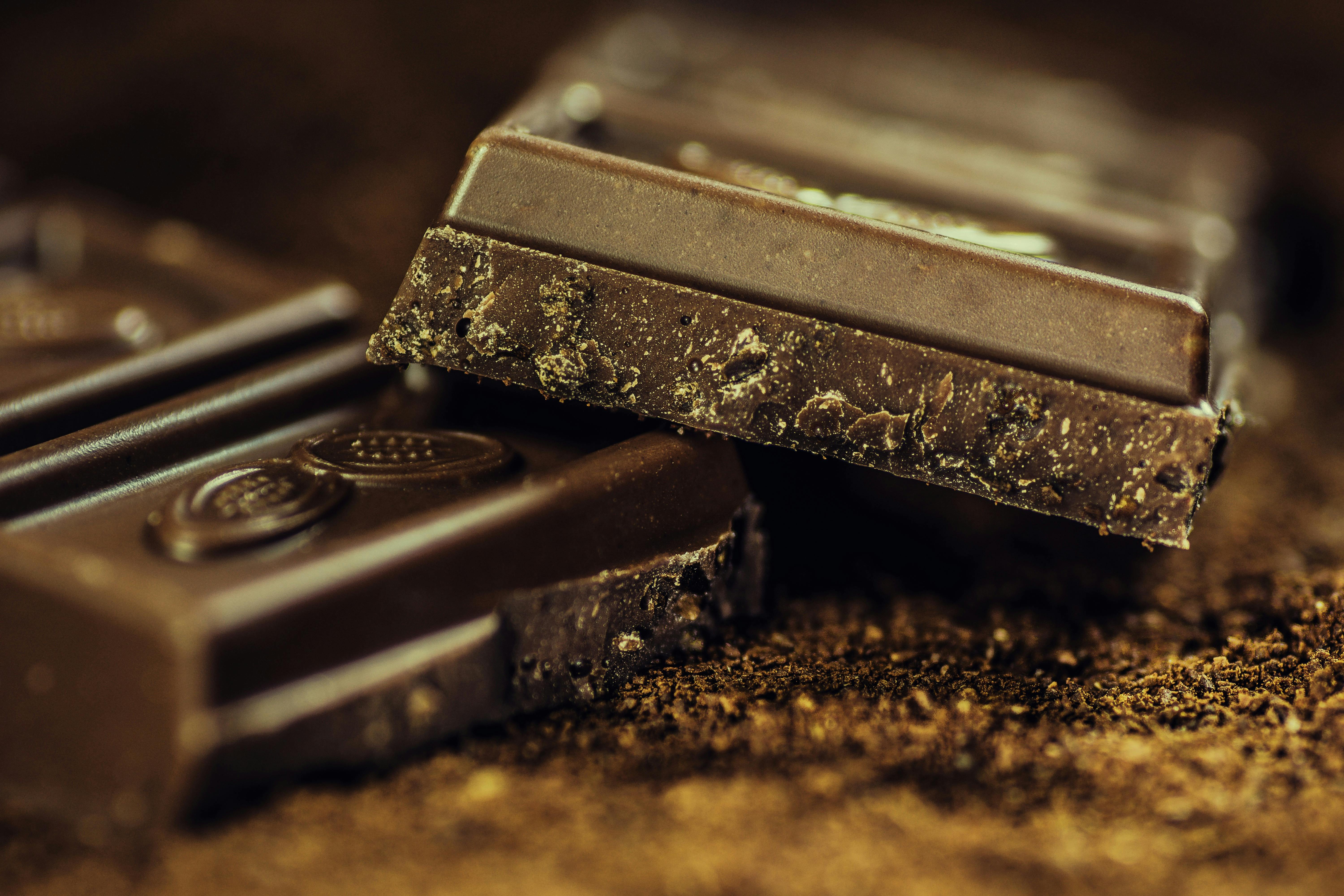
2. Snap. Break a square. A clean, sharp snap with no crumble means the bar is well-tempered. A dull, soft break usually means the chocolate has bloomed or was under-tempered.
3. Melt. Let a square sit on your tongue without chewing. The first thirty seconds should feel smooth, with the cocoa butter melting at body temperature. Wax or grit at this stage is a sign of poor conching or refining.
4. Finish. The interesting flavors arrive after the melt. Hawaiian bars often finish with stone fruit, jasmine, or red berry; Madagascan with citrus and raspberry; Venezuelan with nuts and earth. Write down what you taste — even one word per bar is enough to start building a memory.
What to ignore
- Brand recognition. Some of the best single-estate bars come from operations you've never heard of. Most of the single-origin Hawaiian list is small farms.
- The word "premium." It's marketing.
- Sugar content alone. A 70% bar with great cacao can taste less bitter than a 65% bar with mediocre cacao, because complex flavor masks the harshness that mediocre cacao otherwise needs sugar to cover. Percentage is a proxy, not a quality marker.
Where to taste in person
If you're in Hawaii, the easiest way to do a side-by-side flight is at a tasting bar that pours multiple bars in order:
- Mānoa Chocolate in Kailua runs guided flights of their own lineup.
- Lonohana on Coral St in Honolulu has a single-estate-only flight.
- Puna Chocolate Company on the Big Island compares their Hawaiian bars side by side.
On Maui and Kauai, Maui Kuʻia Estate and Lydgate Farms both include tasting flights as part of their tour rather than as separate walk-in offerings.
Keep reading
Related Articles
42 places on the map
Explore Hawaiian Chocolate
Discover 42 cacao farms, bean-to-bar makers, and tasting experiences across the Hawaiian islands.