Guides
Is It Really Hawaiian Chocolate? How to Tell Grown-Here from Made-Here
Made in Hawaii and grown in Hawaii are two very different things. Here's how to tell whether that bar (or souvenir box) is actually island-grown chocolate — without any snobbery about the mac nuts you love.
Pick up a purple-and-gold box of chocolate-covered macadamia nuts in a Honolulu airport shop and turn it over in your hand. It feels like Hawaii: the ribbon, the island scene on the lid, the word Hawaiian in cheerful script. Snap one open in the car and it tastes like a vacation — sweet, buttery, a little nostalgic before you've even left the islands.
Now ask a quietly tricky question: how much of that chocolate actually grew in Hawaii?
For most souvenir boxes, the honest answer is none of it — and that's not an accusation, it's just how the word "Hawaiian" works on a label. This isn't a takedown of the mac nuts. You like what you like, and a box of them is a perfectly lovely thing to bring home. But if your goal is to put a real piece of the islands in someone's hands, it helps to know which "Hawaiian" you're holding.
"Made in Hawaii" and "grown in Hawaii" are two different claims
The single most useful thing to understand about island chocolate is that "Hawaiian" can describe two completely different stories, and the package rarely tells you which one you're getting.
- Made in Hawaii means the candy was assembled in the islands. The macadamia nuts may genuinely be Hawaiian. But the chocolate coating them is almost always mass-market coating chocolate — bought already finished, made from cacao grown somewhere else entirely (West Africa, Latin America, Southeast Asia) and shipped in. The Hawaii in the box is the nut, the address, and the aloha. Not the cocoa.
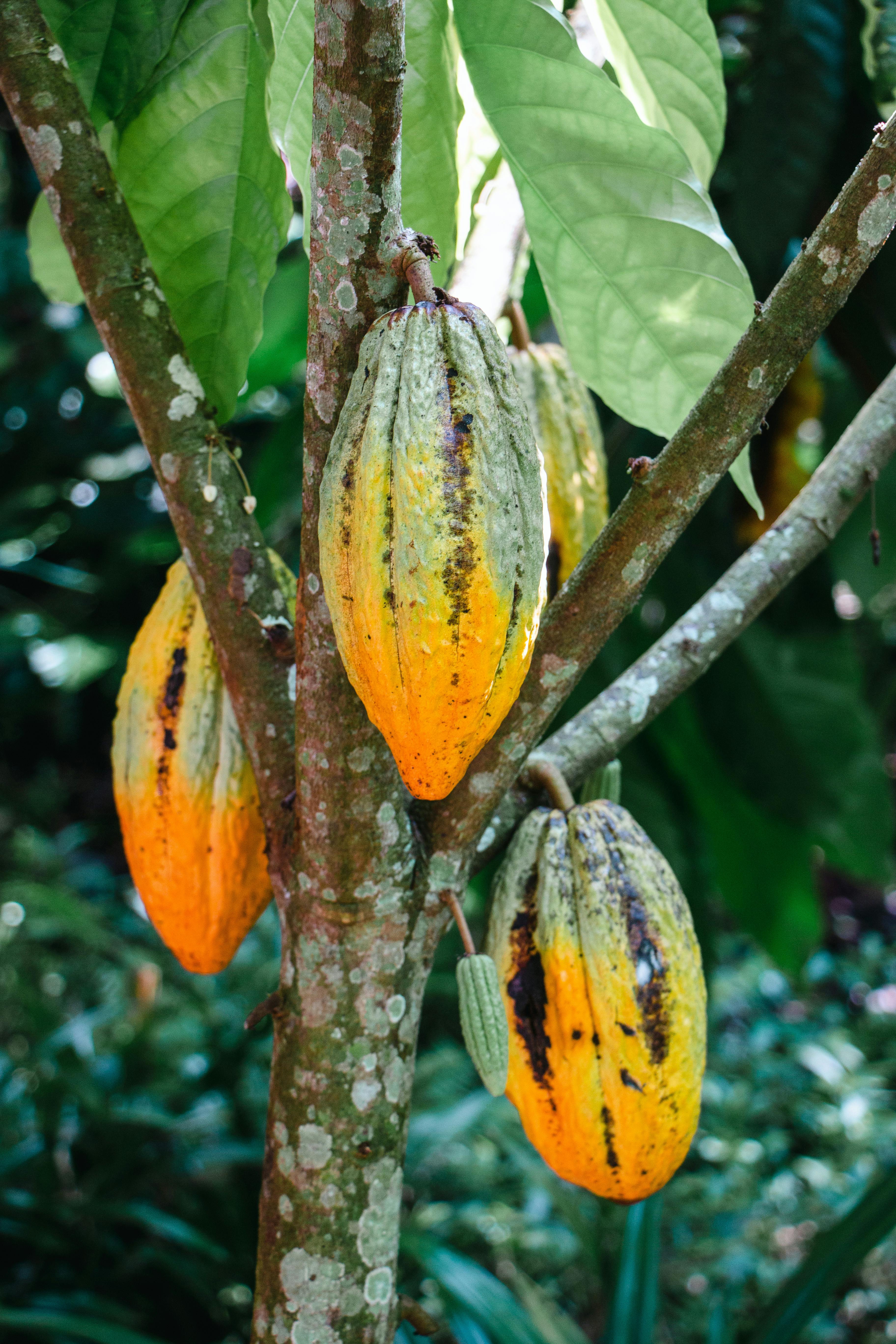
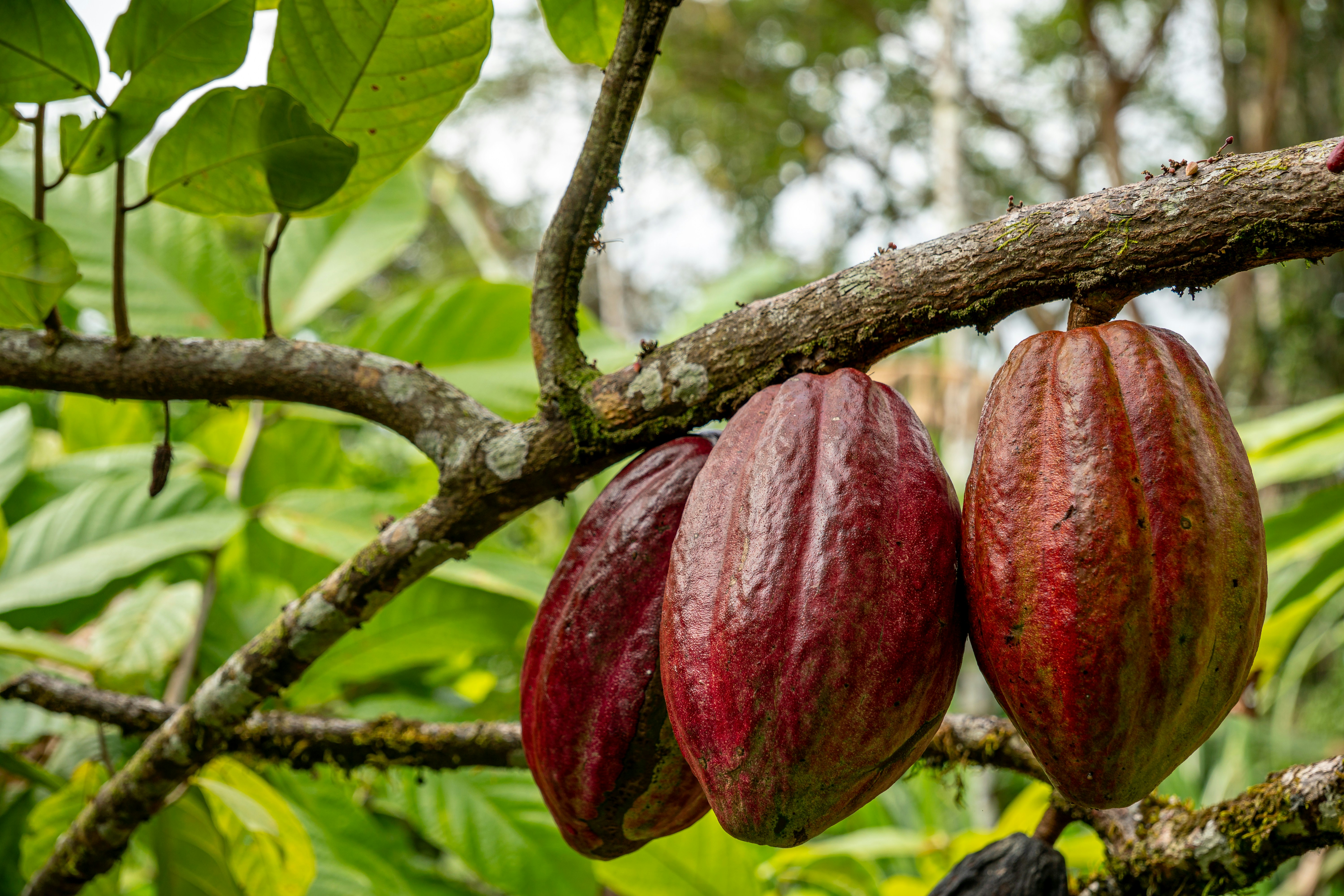
- Grown in Hawaii means the cacao itself came off a tree on a Hawaiian farm, then got fermented, dried, roasted, and turned into chocolate here. This is the rare and genuinely special thing. Hawaii is the only U.S. state that grows cacao commercially, and it produces a near-invisible sliver of the world's supply — so by simple math, the overwhelming majority of chocolate sold in Hawaii cannot be grown in Hawaii.
That second fact is worth sitting with. There just isn't enough island-grown cacao to coat a fraction of the mac nuts sold every year. So when you see a wall of chocolate souvenirs, you're mostly looking at Hawaiian-made candy wrapped around imported chocolate — which is fine, as long as nobody's pretending otherwise.
Where does the chocolate actually get made?
Here's the part the marketing tends to leave out. Some of the best-known "Hawaiian" mac-nut brands don't even make all their chocolate in Hawaii.
Take Hawaiian Host, the giant of the category. The company does run real operations in the islands — manufacturing in Honolulu and Keaʻau, plus a stake in Hawaiian macadamia farming. But it has also operated a large chocolate-making factory in Gardena, California; a 2020 consumer lawsuit specifically alleged that products sold to customers outside Hawaii are produced there, behind packaging covered in Hawaiian imagery and a Honolulu address. (We're describing the claim, not the verdict — but the dual Hawaii-and-California production setup is well documented.)
We're not telling you this to make you feel duped for loving the stuff. We're telling you because transparency is the whole game, and the industrial chocolate world has historically run on a lot of smoke and mirrors — vague origins, scenery on the box, and a quiet hope you won't ask follow-up questions. The fix isn't shame. It's just naming things plainly: that's Hawaiian-made candy, often with chocolate from elsewhere, sometimes assembled on the mainland. Knowing that doesn't ruin the box. It just means you know what the box is.
How to actually tell, in ten seconds
You don't need a degree to read a chocolate label honestly. You need to know the three things real Hawaiian-grown chocolate will tell you — and that imported-couverture souvenirs almost never do.
1. A named cacao origin
Grown-here chocolate brags about where the beans came from, because that's the point. Look for a specific island or farm: "Kauai," "North Shore Oahu," "Hāmākua," "single-estate," "estate-grown." If the wrapper says only "Hawaii" with no farm, no island, and no maker behind it, that's a tourism word, not a sourcing claim.
2. A maker you can name
Real bean-to-bar makers put their name on the thing and stand behind it — Mānoa, Lonohana, Lydgate, Maui Kuʻia, the Big Island farms. Transparency is bean-to-bar's gift to the whole industry: you should be able to point at a bar and say who made it and where the beans grew. A faceless brand built around scenery is telling you something by what it leaves out.
3. Made from scratch, not bought and dipped
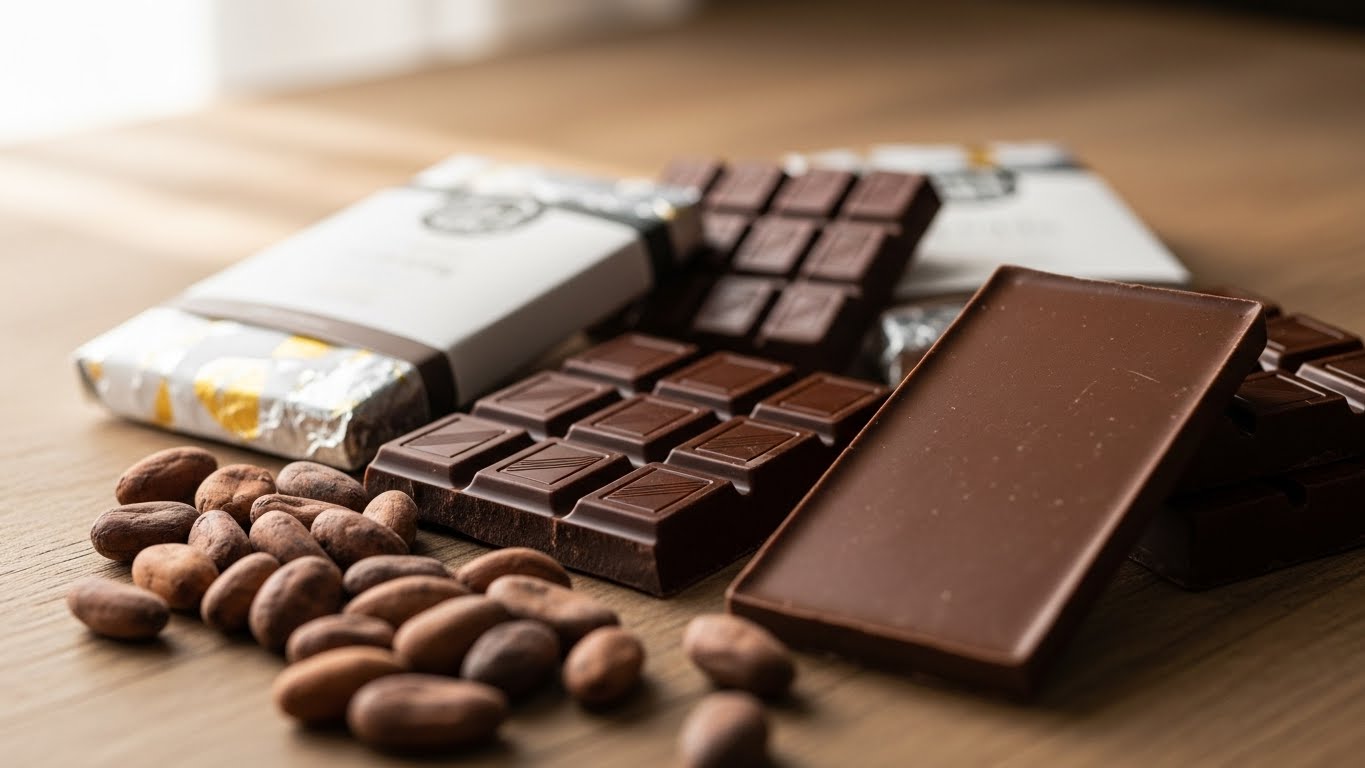
This is the cleanest tell. A bean-to-bar maker bought cacao beans and made the chocolate from scratch. A dipped product started with finished chocolate someone else made — usually mass-market coating chocolate — and enrobed something in it. (The trade word for coating chocolate is couverture, and fine makers use couverture too, so the tell isn't the word — it's whether this maker actually made the chocolate or just bought it ready-made.) Both can be tasty! But only one is actually Hawaiian chocolate rather than a Hawaiian snack wearing a chocolate coat. If you can't find the words "bean to bar," "cacao," or a percentage anywhere on the package, you're probably holding something dipped in chocolate the seller didn't make.
A quick, non-snobby reality check
None of this means the souvenir box is bad, or that you've been doing chocolate wrong. Milk chocolate is not the enemy; mass-market candy is not a moral failing; and a chocolate-covered mac nut is a genuinely delightful object. The cacao percentage on a bar is a description, not a quality grade — and "grown in Hawaii" is a sourcing fact, not a taste promise. You're allowed to love the imported-chocolate box for what it is.
The point of all this is just leverage: when you want the real island thing — for a gift, for a tasting, for the story — you'll know how to find it instead of trusting a pretty lid. And the happy plot twist is that you don't even have to give up the mac-nut format. Several island makers, Lydgate and Mānoa among them, coat locally grown macadamias in their own Hawaiian-grown chocolate. Same nostalgic crunch, but now both halves of it genuinely come from here.
If you want the deeper backstory of how cacao ended up growing in the islands at all — and why such a tiny harvest wins such outsized awards — our history of Hawaiian cacao tells the full story. And when you're ready to actually buy the real thing, our guide to the best Hawaiian chocolate gifts names makers who grow or source island cacao and make the bar here.
The bottom line
"Hawaiian chocolate" isn't a protected term with rules behind it — it's a marketing word that has to do two very different jobs, and only you can tell them apart. Made in Hawaii is a place of assembly. Grown in Hawaii is a place in the soil. Both can sit on the same shelf, sometimes in the same gift bag, and neither one is wrong to enjoy. You just deserve to know which is which before your money decides for you.
Want to put real island-grown chocolate in your hands? Explore Hawaiian-grown chocolate makers and farms on the map and find the bars whose "Hawaiian" is the kind that grew on a tree.
Keep reading
Related Articles
42 places on the map
Explore Hawaiian Chocolate
Discover 42 cacao farms, bean-to-bar makers, and tasting experiences across the Hawaiian islands.