Guides
The Best Hawaiian Chocolate Gifts (That Are Actually Made in Hawaii)
A no-snobbery guide to gifting Hawaiian chocolate — which bars are actually grown in the islands, why a $12 craft bar is worth it, and the honest truth about those purple boxes of mac nuts.
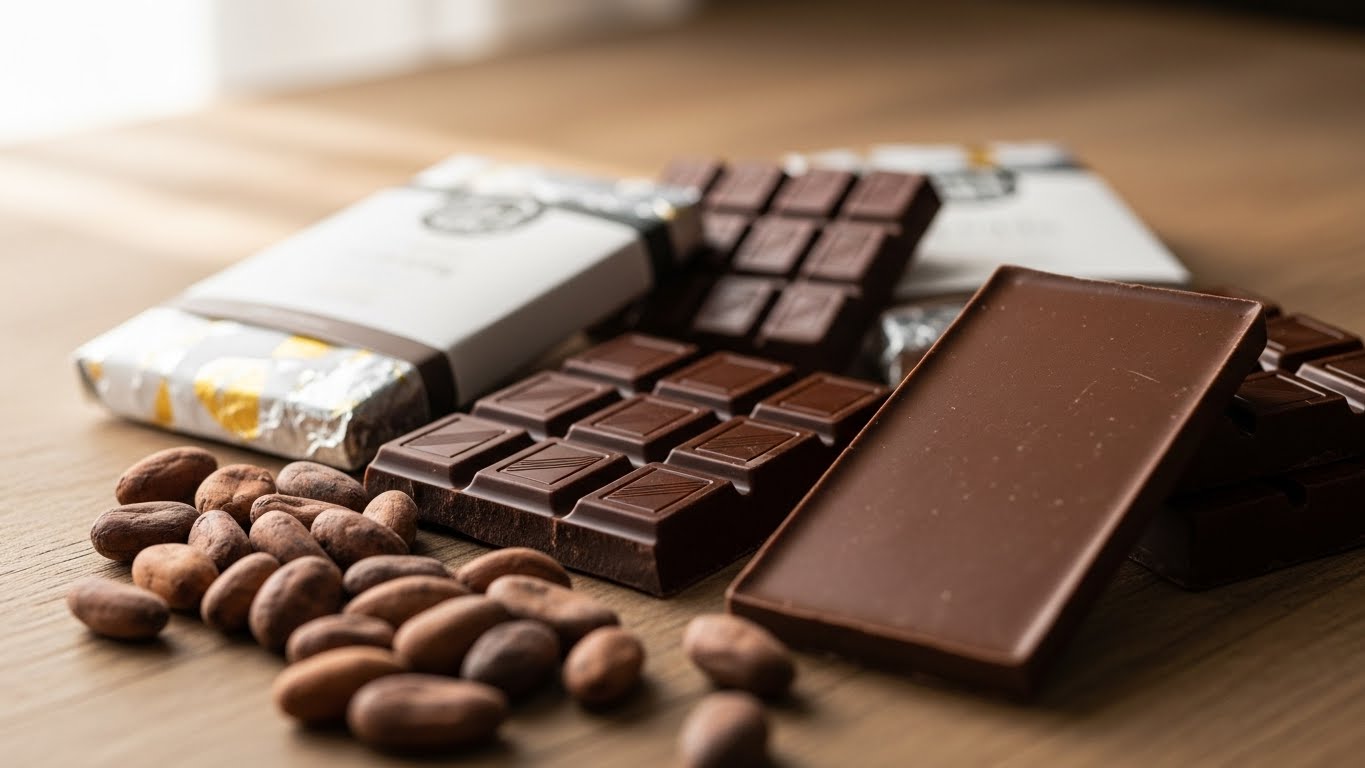
Walk into any airport shop in Honolulu and you'll see the same wall: stacks of purple boxes, gold foil, ribbon already tied. Chocolate-covered macadamia nuts, sold as the official edible souvenir of Hawaii. They're delicious, they travel well, and there is genuinely nothing wrong with bringing some home.
But if you want to give a gift that's actually a piece of Hawaii — chocolate grown in island soil, not just boxed here — the wall is the wrong place to look. Here's how to give Hawaiian chocolate that means what the label says, without turning into the kind of person who lectures people about percentages at a party.
First, the honest part: "Hawaiian" is doing two different jobs
The word "Hawaiian" on a chocolate box can mean two very different things, and almost nobody tells you which.
- Made in Hawaii — the candy was assembled in the islands, and the macadamia nuts may well be Hawaiian. But the chocolate coating them is usually mass-market couverture shipped in from elsewhere. Some of the biggest "Hawaiian" mac-nut brands even run part of their production on the mainland.
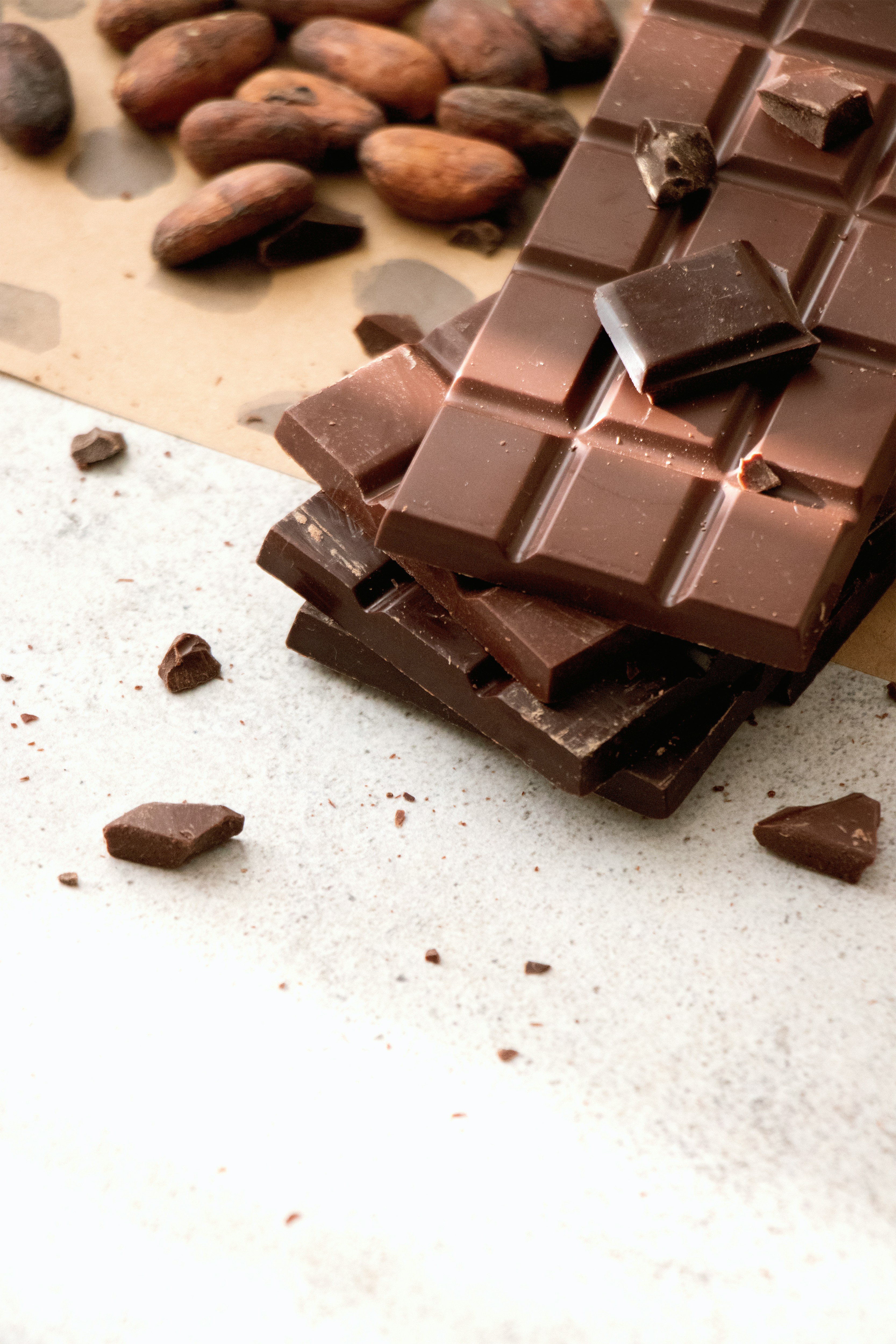
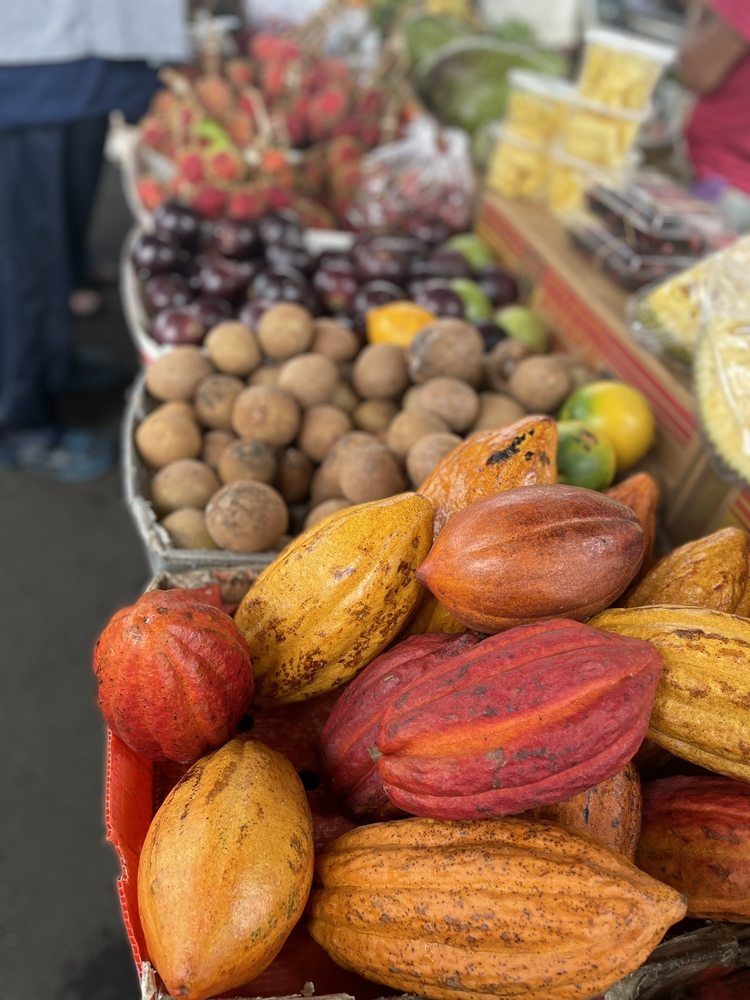
- Hawaiian-grown — the cacao itself was grown on a farm in Hawaii, then fermented, roasted, and made into a bar here. This is the rare thing. Hawaii is the only U.S. state that grows cacao commercially, and island makers turn a tiny harvest into some of the most awarded chocolate on earth.
This isn't a knock on the mac nuts. You like what you like, and a box of chocolate-covered macadamias is a warm, generous gift. Just know what you're buying: a Hawaiian snack, not necessarily Hawaiian chocolate. If the goal is to put a real piece of the islands in someone's hands, you want a bar that started as a pod on a Hawaiian tree.
Why a $12 bar is the gift, not the splurge
People flinch at a $10 to $15 chocolate bar. It feels like a lot next to a $2 supermarket bar. But follow the money and the price stops looking like a markup and starts looking like the whole point.
That's what you're giving when you hand someone a Hawaiian craft bar: not a luxury flex, but a small, delicious vote for the person who grew it. It just happens to also taste better. Hawaiian-grown chocolate regularly wins more than 10% of all the Gold awards at the Cacao of Excellence competition — from a state that grows a near-invisible sliver of the world's cacao. The quality is real, and it's not an accident.
The gift list, by who you're giving to
Every maker below grows or sources island cacao and makes the bar in Hawaii. All of them ship.
- For the crowd-pleaser — Maui Kuʻia Estate makes some of the most giftable bars in the islands: estate-grown cacao, polished packaging, and national shipping built in. If you want something that looks like a present out of the box, start here.
- For the connoisseur — Lydgate Farms on Kauai has had its beans ranked among the world's top 50 at Cacao of Excellence. A single-estate Lydgate bar is the one for the friend who already thinks they know chocolate.
- For the Oahu local at heart — Mānoa Chocolate out of Kailua makes a deep range of single-origin and farm bars. A flight of three is a small chocolate tour you can mail.
- For the collector — Lonohana Estate grows its own cacao on Oahu's North Shore and releases tightly-made single-estate bars. Great for the person who likes knowing exactly which farm their food came from.
- For the flavor adventurer — Madre Chocolate has earned International Chocolate Awards recognition for its inventive, origin-forward bars. The right pick for someone who finds plain dark chocolate a little boring.
Still want the mac-nut move? Do it the Hawaiian-grown way
If the recipient genuinely loves chocolate-covered macadamias — and lots of people do — you don't have to give that up to give the real thing. Several island makers, Lydgate and Mānoa among them, coat locally grown macadamia nuts in their own Hawaiian-grown chocolate. Same nostalgic format, but now both halves of it actually come from Hawaii. It's the best of both walls.
A quick word on milk chocolate
If you're tempted to default to a dark bar because it seems like the "serious" gift — don't overthink it. Milk chocolate is not the enemy. It got a bad reputation because most of it is low quality, not because milk belongs at the back of the bus. A great craft milk bar beats a mediocre dark one every single time. Buy for the person's taste, not for the percentage that sounds most impressive. The number on the front of a bar is a description, not a grade.
How to actually get it there in one piece
A Hawaiian chocolate gift is only as good as its arrival. Two things to plan for:
- Shipping it from the mainland or to one? Heat is the enemy, not distance. Dark single-origin bars travel best; filled chocolates and bonbons need cold packs in summer. Our guide to Hawaiian chocolate that ships to the mainland covers who ships and when to order.
- Carrying it home in your luggage? How to store and pack chocolate keeps it from blooming into a sad gray smear before you can give it.
And if you want the gift to keep giving, pair the bar with our short guide to tasting single-origin chocolate — tasting and eating are different modes, and some people love being shown how to do the first one. (Plenty of people just want to eat the bar, and that's a perfectly good way to receive a gift, too.)
The bottom line
The best Hawaiian chocolate gift isn't the most expensive one or the one with the highest cacao percentage. It's the one that's honestly what it claims to be — grown in the islands, made by people you can name, given to someone whose taste you actually thought about. That can be a $40 estate bar for a serious chocolate friend, or a Hawaiian-grown milk bar for a kid who'd be baffled by anything darker. Both are real. Both count.
Ready to pick one out? Explore Hawaiian chocolate makers and shops near you and find a bar that's actually from here.
Keep reading
Related Articles
42 places on the map
Explore Hawaiian Chocolate
Discover 42 cacao farms, bean-to-bar makers, and tasting experiences across the Hawaiian islands.