Guides
How to Store and Pack Hawaiian Chocolate (Without Melting It)
Essential tips for keeping your Hawaiian chocolate in perfect condition—whether you're storing it at home or bringing it back from vacation.
You've just picked up some incredible bean-to-bar chocolate from a Hawaiian farm tour. Now comes the tricky part: keeping it in perfect condition until you can enjoy it—whether that's tonight in your hotel room or next month back home on the mainland.
Hawaii's tropical climate presents unique challenges for chocolate lovers. With temperatures regularly in the 80s and humidity to match, that carefully crafted bar can go from pristine to problematic faster than you'd expect. Here's how to protect your chocolate investment.
The Enemy: Heat and Humidity
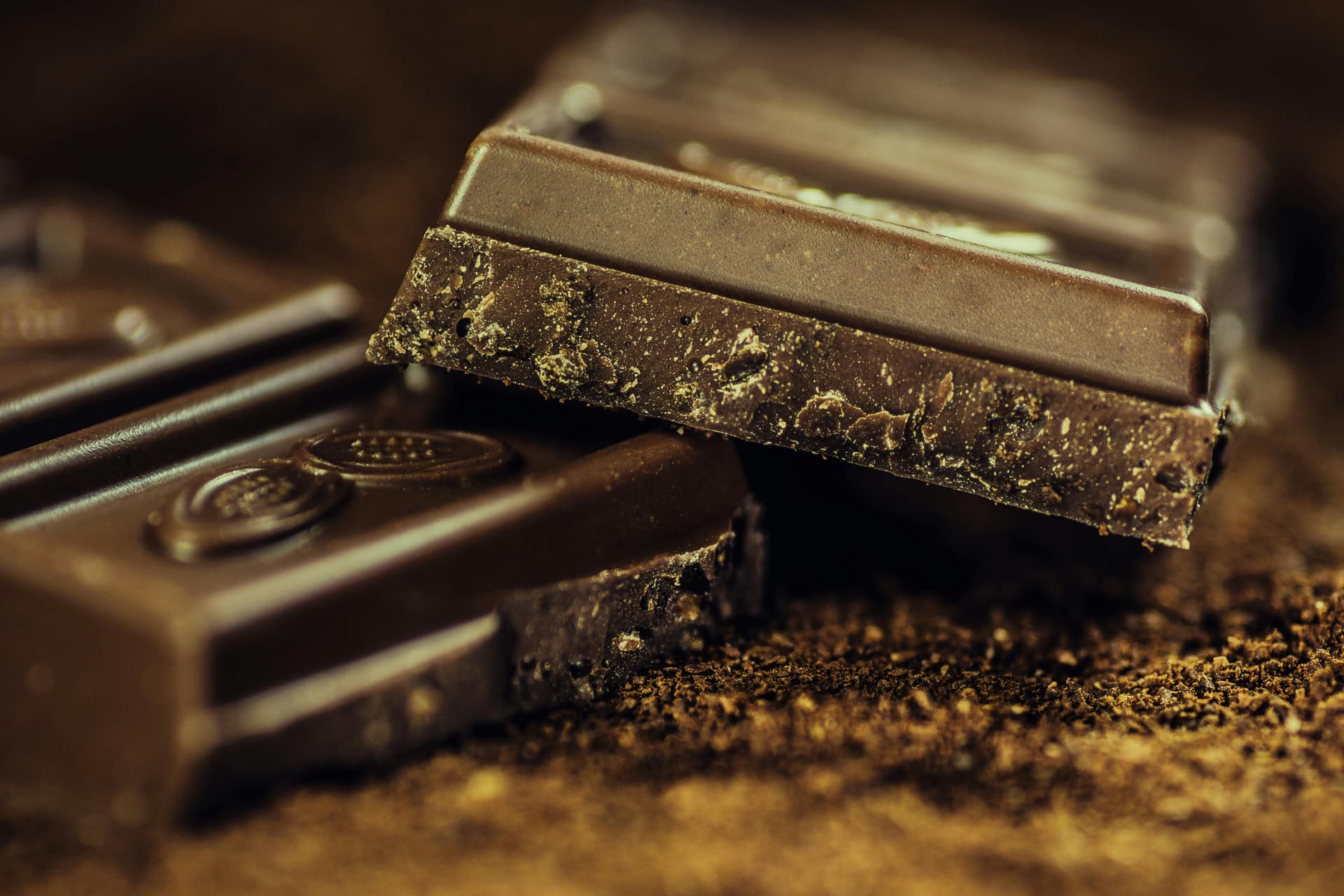
Chocolate begins to soften around 75°F and melts completely by 90°F. In Hawaii, that means your chocolate is at risk almost anywhere outside of air conditioning. Humidity compounds the problem—moisture can cause sugar bloom, leaving a gritty white coating on the surface.
The good news? With a little care, you can keep your chocolate in perfect condition through your entire trip and the journey home.
Storing Chocolate in Hawaii
At Your Hotel or Vacation Rental
The refrigerator is your friend—with caveats. While chocolate purists often advise against refrigeration (it can dull flavors and cause condensation), Hawaii's heat makes it the lesser evil. The key is proper wrapping.
How to refrigerate chocolate properly:
- Keep the chocolate in its original packaging
- Place it inside a resealable plastic bag, squeezing out excess air
- Store in the main compartment (not the door, which has temperature fluctuations)
- Let it come to room temperature before unwrapping to prevent condensation
If you have a cooler: A small cooler with ice packs works well for day trips. Wrap the chocolate in a towel to prevent direct contact with the cold—you want cool, not frozen.
What to Avoid
- Car glove boxes and trunks — These can easily exceed 120°F in Hawaiian sun
- Windowsills and counters — Even indirect sunlight raises temperatures significantly
- Beach bags — Sand, sun, and salt air are chocolate's worst enemies

Packing Chocolate for the Flight Home
Getting chocolate safely back to the mainland requires planning. A 5+ hour flight with checked baggage sitting on hot tarmacs is the final boss of chocolate transportation.
Carry-On is King
Always pack chocolate in your carry-on. The cabin is climate-controlled, while the cargo hold can swing from freezing at altitude to sweltering on the ground. TSA has no restrictions on solid chocolate—it's not a liquid or gel.
Packing Strategy
-
Insulated lunch bag — A soft-sided insulated bag is the single best investment for traveling with chocolate. Add a frozen gel pack (freeze it at your hotel the night before).
-
Wrap individually — Keep bars in their packaging, then wrap in bubble wrap or clothing for insulation and cushioning.
-
Center of your bag — Surround the chocolate with clothes, which provide additional insulation from the warm cabin walls.
-
Gate-check timing — If you're forced to gate-check a bag, remove the chocolate first.
For Larger Quantities
Shipping chocolate home can be safer than flying with it, especially for larger purchases. Many Hawaiian chocolate makers offer shipping with insulated packaging and ice packs. Ask at the farm or factory—they deal with this daily and have it down to a science.
Understanding Chocolate Bloom
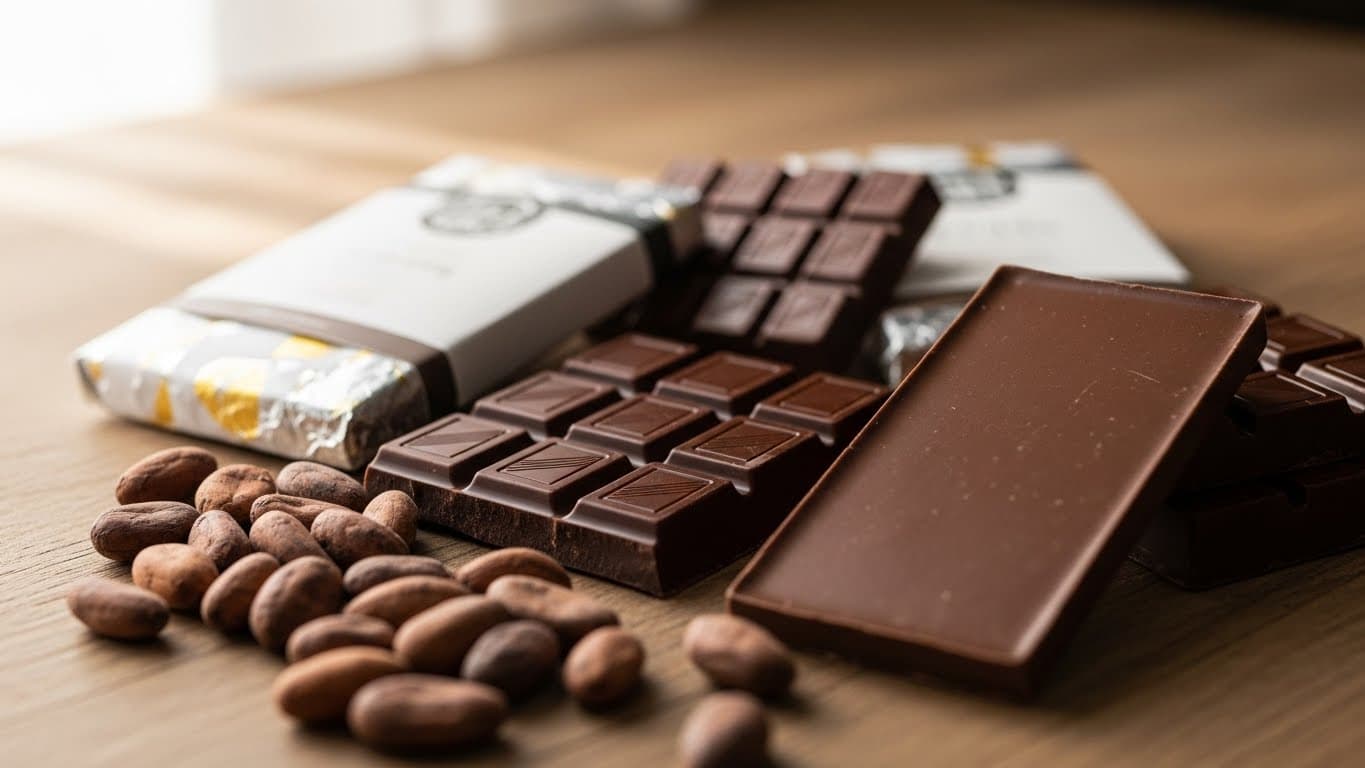
Even with precautions, you might notice changes in your chocolate. There are two types of bloom:
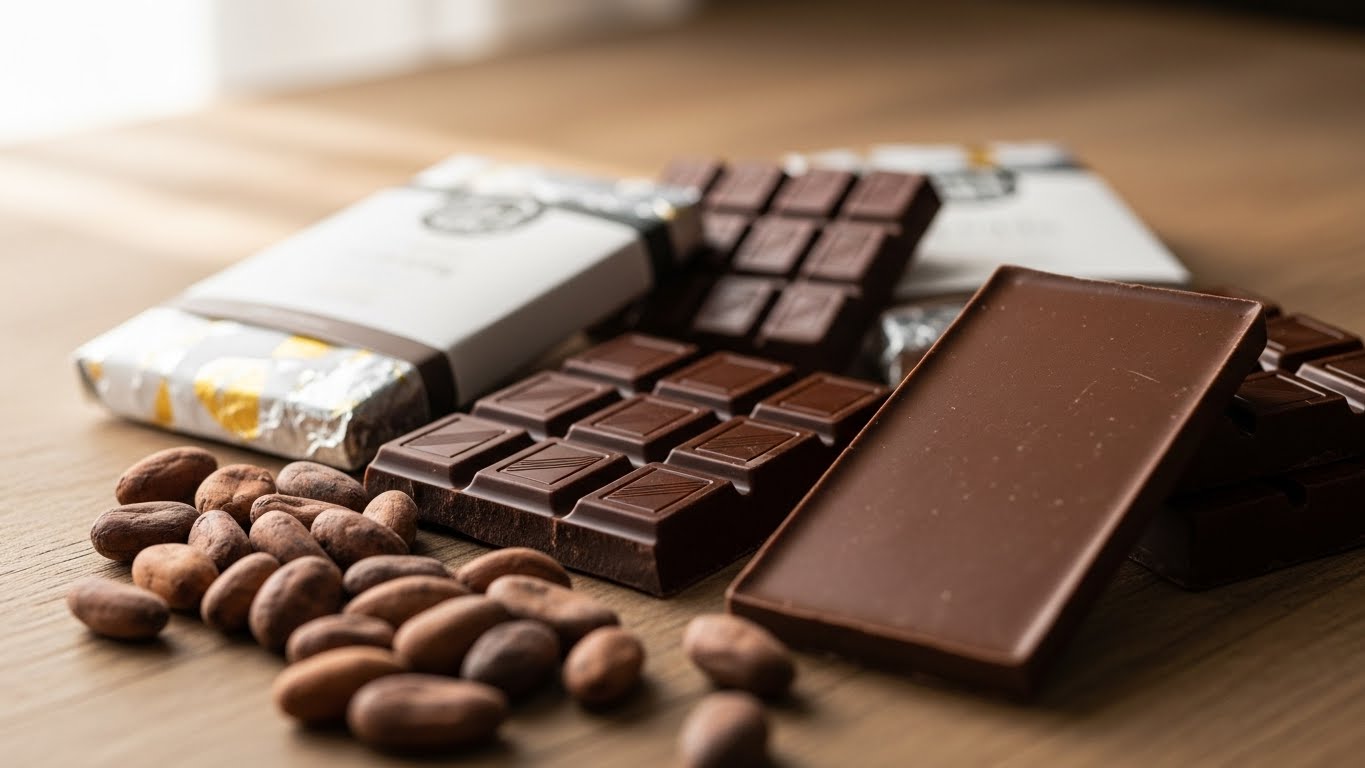
Fat bloom — A white, streaky coating caused by temperature fluctuations. The cocoa butter separates and rises to the surface. The chocolate is still safe to eat, though the texture may be slightly grainy.
Sugar bloom — A dusty white coating caused by moisture. Humidity dissolves surface sugar, which recrystallizes as the moisture evaporates. Also safe to eat, but the texture suffers more than with fat bloom.
Neither type of bloom means the chocolate has "gone bad"—it's a cosmetic issue. The flavors remain intact, and bloomed chocolate works perfectly for baking or hot chocolate.
Quick Reference
| Situation | Best Practice |
|---|---|
| Hotel storage | Refrigerate in sealed bag |
| Day trip | Insulated bag with ice pack |
| Flight home | Carry-on with insulated bag |
| Car travel | Never leave in hot car |
| Long-term storage | Cool, dark place (65-70°F) |
The Bottom Line
Hawaiian chocolate is crafted with incredible care—from years of growing cacao in volcanic soil to hours of roasting, grinding, and tempering. A little attention to storage and transport ensures you'll taste it exactly as the maker intended.
When in doubt, keep it cool, keep it wrapped, and keep it with you. Your future self (and anyone you're sharing that chocolate with) will thank you.
Ready to find your next favorite Hawaiian chocolate? Explore the map to discover farms and makers across all four islands.
Keep reading
Related Articles
42 places on the map
Explore Hawaiian Chocolate
Discover 42 cacao farms, bean-to-bar makers, and tasting experiences across the Hawaiian islands.