The short answer
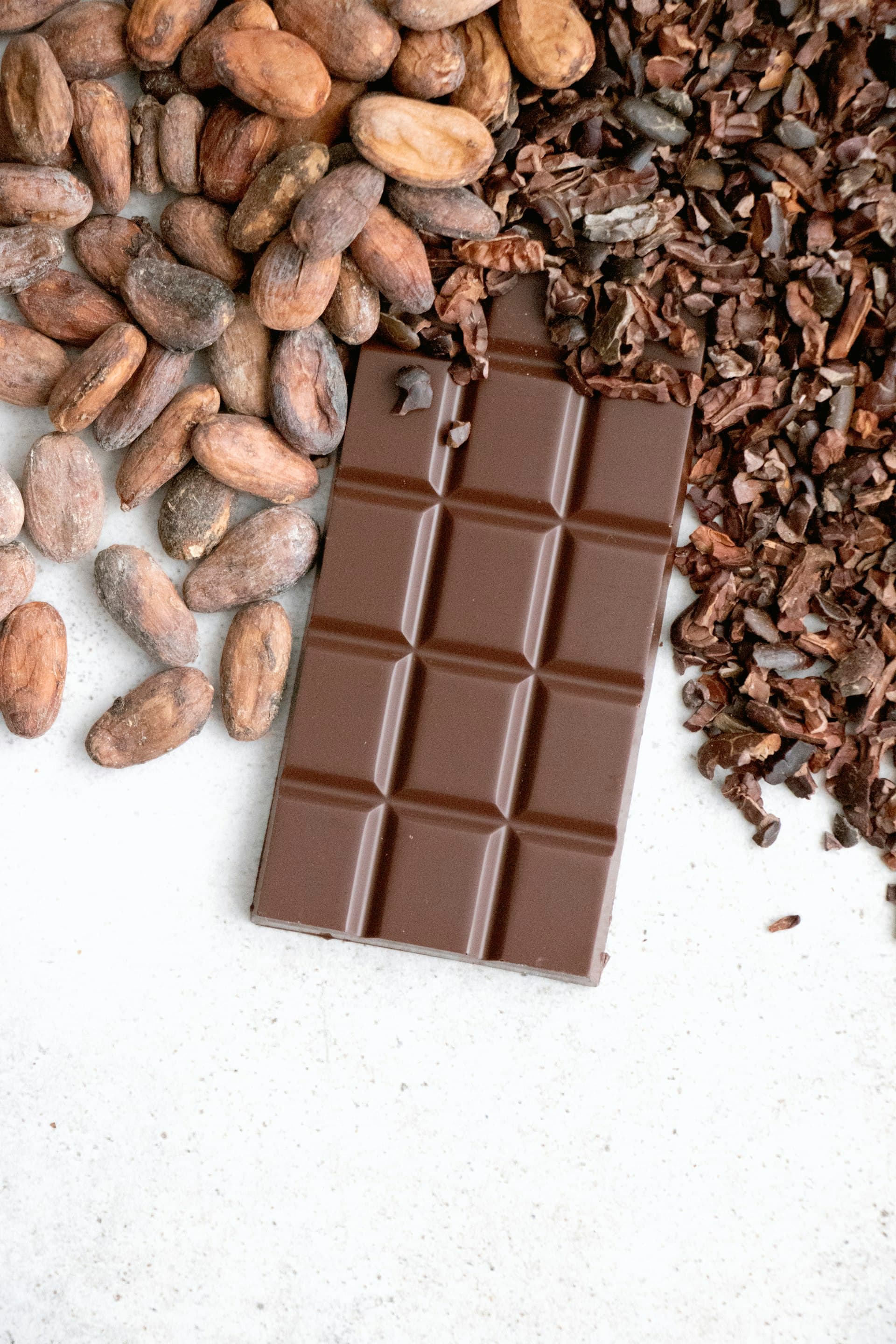
A bean-to-bar maker buys or grows cacao beans, then roasts, cracks, winnows, grinds, refines, tempers, molds, and packages finished chocolate.
That is different from a chocolatier who may buy finished chocolate and turn it into bonbons, truffles, drinks, or other confections.
Why it matters in Hawaii
Hawaii has both cacao farms and chocolate makers, so visitors can sometimes see more of the value chain than they would in a normal chocolate shop.
The strongest experiences explain where the beans came from, what the maker controls, and how the process changes flavor.
Bean-to-bar vs farm-to-bar
Bean-to-bar starts at the bean. Farm-to-bar usually means the same operation or tightly connected operation also grows the cacao.
Farm-to-bar is useful for visitors who want orchard context. Bean-to-bar is useful for comparing maker style, roast choices, texture, and single-origin bars.
Signals to look for
Look for origin transparency, visible factory or production context, tasting flights, single-origin bars, farm partnerships, and staff who can explain the process without turning it into generic chocolate language.
