The short answer
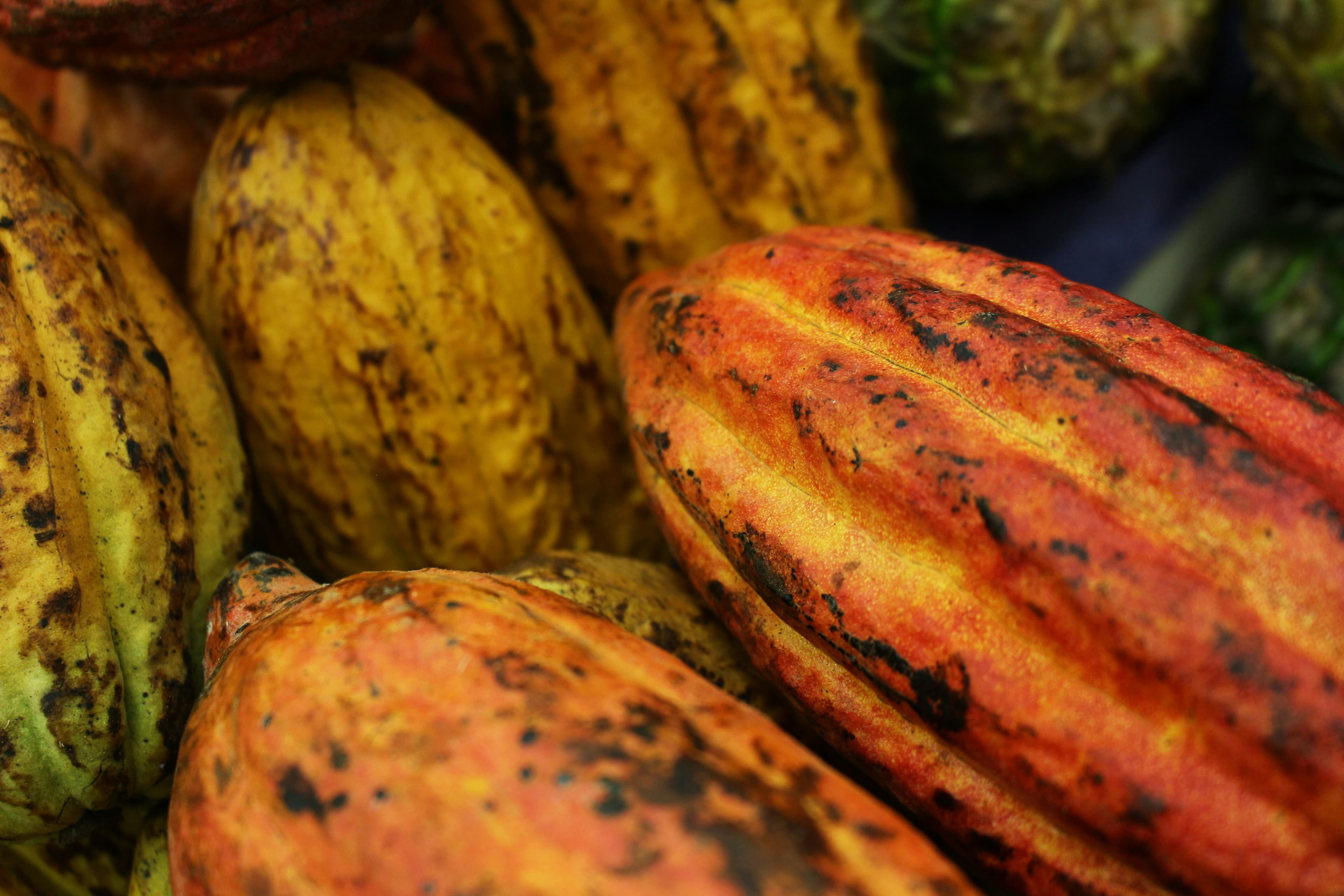
Hawaiian cacao is distinctive because the crop is grown in a high-cost island setting with unusual microclimate diversity, small production volumes, and direct links between farms and chocolate makers.
For visitors, that means the best chocolate experiences often happen close to the source: farms, factory-style tasting rooms, and maker shops that explain where the cacao came from.
Origin matters
Hawaii rules distinguish cacao and chocolate products by where the cacao is grown. That matters because a product can be made in Hawaii without all of its cacao being Hawaii-grown.
When the origin is important, look for clear Hawaii cacao or island-origin language, then confirm the details on the maker or farm page.
- Hawaii cacao refers to cacao grown in the state.
- Island names are stronger signals when the cacao is actually from that island.
- Made in Hawaii and Hawaii-grown cacao are not always the same claim.
Flavor is farm-specific
Cacao flavor is shaped by genetics, harvest ripeness, fermentation, drying, roasting, and recipe choices. Hawaii adds another layer through volcanic soils, rainfall patterns, wind exposure, and island-by-island farm conditions.
This is why single-origin bars and guided tastings are especially useful. They make the differences visible instead of flattening Hawaiian chocolate into one generic flavor.
How to experience it
Start with cacao farm tours if you want orchard context. Use bean-to-bar and single-origin pages when the goal is finished-bar tasting. Use gift pages when shelf stability, packaging, and shipping matter most.
