Educational
Is Hawaiian Dark Chocolate Actually Healthy? An Honest Look at the Hype
Cocoa flavanols are real — but the dose in a bar is modest, the sugar and fat still count, and 'raw cacao superfood' is mostly marketing. A skeptical, no-scolding look at the chocolate health halo. Not medical advice.
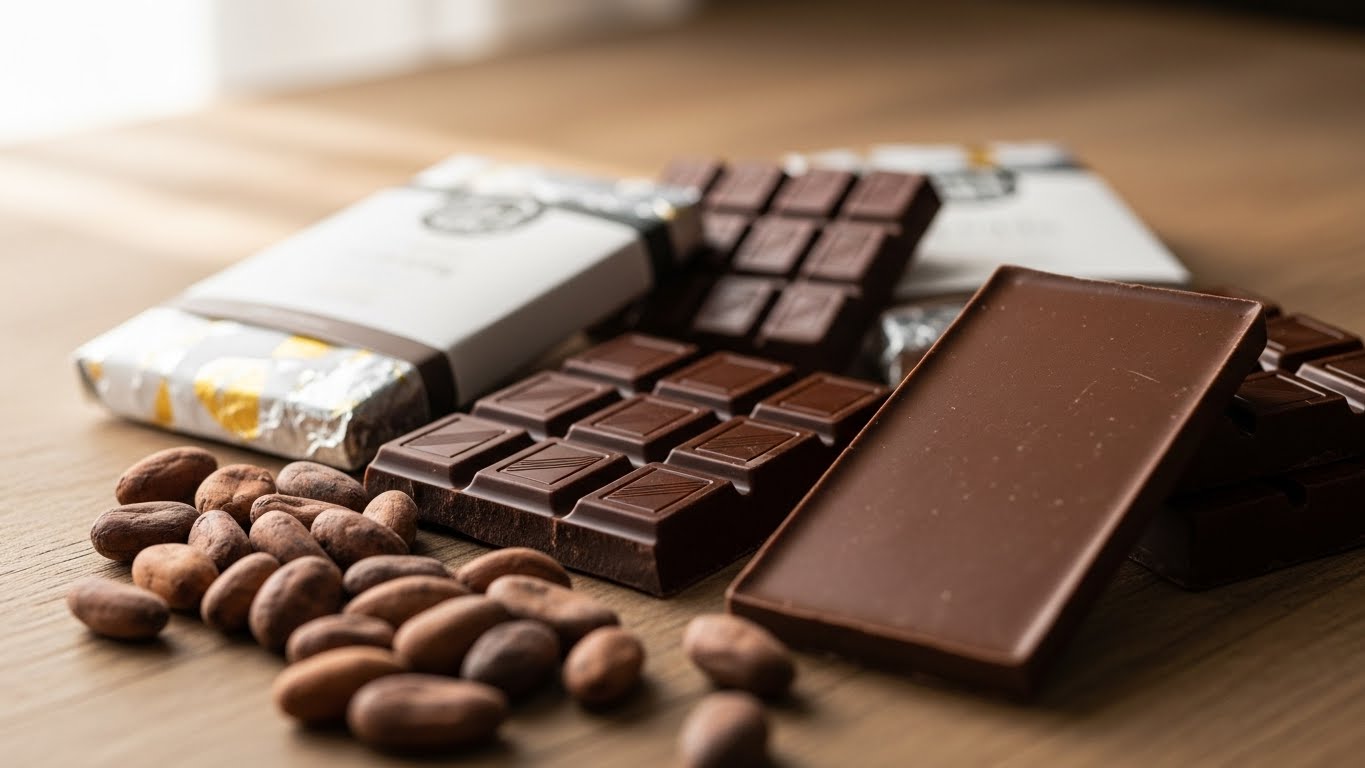
Break a square of good Hawaiian dark chocolate and let it melt on your tongue instead of chewing it. There's a slow bloom — a little bitterness up front, then something fruity or nutty depending on the farm, and a finish that lingers longer than you'd expect from a $2 supermarket bar. It's a genuinely lovely thing to eat.
It is also, increasingly, sold to you as a health food. "Antioxidant-rich." "Raw superfood." "Heart-smart." Somewhere along the way, a piece of dessert picked up a lab coat. So let's do the honest thing and ask the question plainly: is Hawaiian dark chocolate actually good for you?
The short version: there's a real kernel of truth in there, it's smaller than the marketing wants you to believe, and the best reason to eat this chocolate has nothing to do with your bloodwork.
(First, the boring-but-important part: this is a chocolate article, not health advice. Nothing here is medical or dietary guidance, chocolate is not a treatment for anything, and if you have actual health questions, ask an actual doctor — not a candy blog.)
The kernel of truth: cocoa flavanols are real
This part is legit. Cocoa is genuinely rich in a family of plant compounds called flavanols — catechin, epicatechin, and the larger procyanidins — which sit under the broader umbrella of flavonoids. They're the same class of "good stuff" people point to in tea, red wine, and blueberries, and cocoa is a notably dense source of them.
And yes, dark generally beats milk here — though that's a flavanol head-count, not a verdict on taste, and a great milk bar is not a lesser thing. Because flavanols ride along with the cocoa solids, and dark chocolate simply contains more cocoa, dark chocolate tends to carry several times the flavanols of milk chocolate. So when someone says "dark is the healthier choice," they're not making it up.
But notice what that sentence actually says. More flavanols than milk chocolate is a very different claim from good for you. A salad has more vitamins than a doughnut; that doesn't make the doughnut medicine in reverse. The comparison is real. The conclusion people leap to is where it gets shaky.
Where the hype runs ahead of the evidence
Here's the part the packaging tends to skip.
Most of the impressive-sounding chocolate research wasn't done on chocolate. The big, careful studies — the kind with thousands of people and a control group — generally use concentrated cocoa-flavanol extract in a capsule, not the bar in your hand. The largest of these, a multi-year trial of more than 20,000 older adults, tested a cocoa supplement and found that it did not significantly cut total cardiovascular events. A secondary signal hinted at fewer cardiovascular deaths, but the researchers themselves were careful to say it needs more study — and the people running it have openly cautioned against turning chocolate into medicine.
There's a reason they used capsules: the dose. To get the flavanol load from a supplement out of an actual bar, you'd have to eat a genuinely silly amount of chocolate every day — and you'd be eating all the sugar and fat that comes with it. The bar can't deliver the headline without also delivering several hundred dessert calories.
And it gets thinner still, because the way chocolate is made tends to destroy the very compound being advertised. Flavanols are fragile. The big flavanol-killer is alkalizing, or "Dutch processing" — an industrial step that mellows cocoa and darkens its color. One study of commercial cocoa powders found natural cocoa carried roughly nine times the flavanols of a heavily alkalized version; the more it's processed toward smooth and dark, the less of the "good stuff" survives. Fermentation and roasting trim flavanols too. So a chocolate can be deep, dark, and bitter — looking every inch the "healthy" choice — while quietly being low in the thing that earned dark chocolate its reputation. Color and percentage don't tell you flavanol content. (Worth a read alongside our piece on what the cacao percentage number actually means — it's a description, not a grade, and it's not a health score either.)
"Raw cacao" and the superfood costume
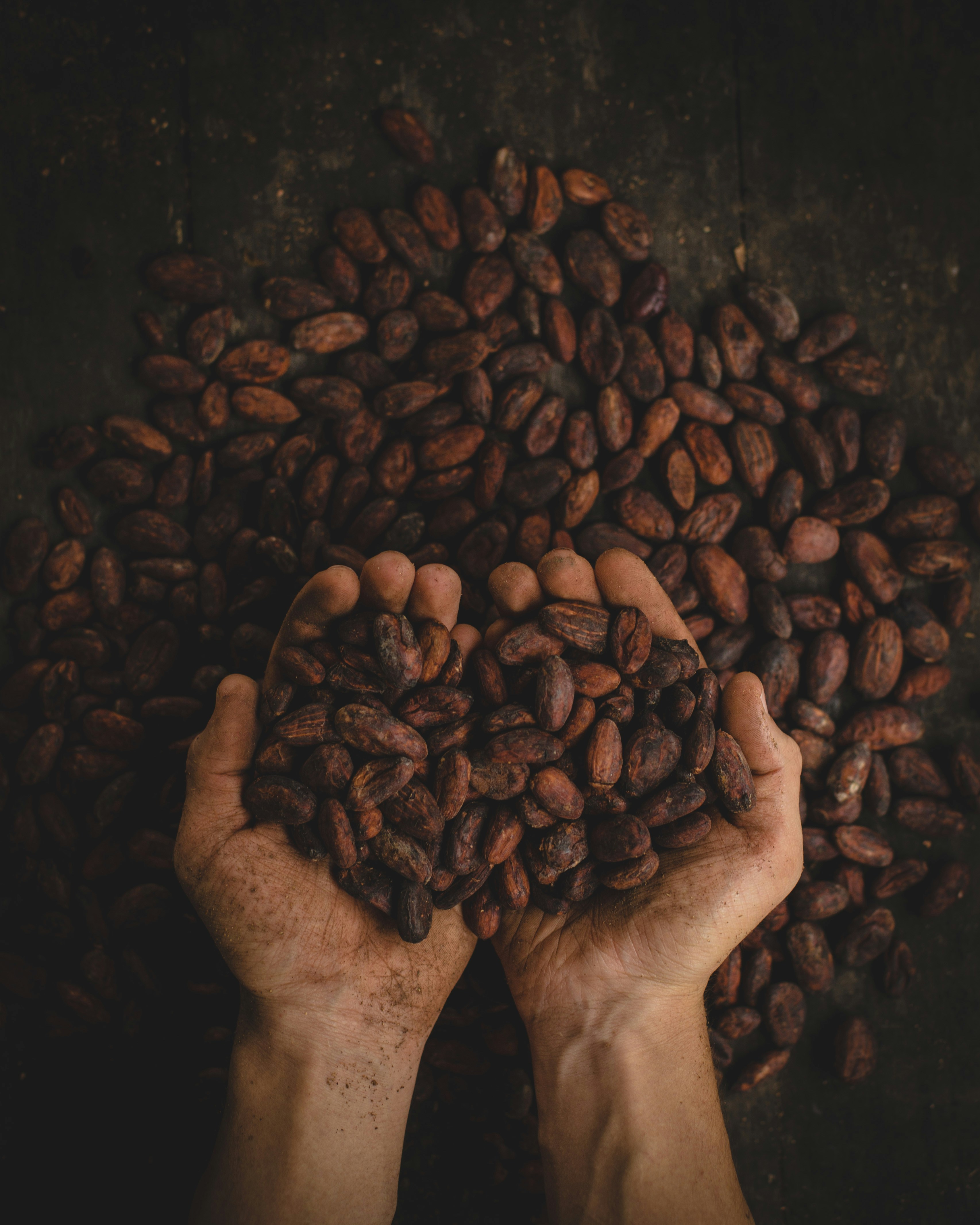
You'll see this one everywhere: raw cacao, sold as the purest, most antioxidant-packed form of chocolate. The logic isn't crazy — since heat degrades flavanols, less-processed cacao does plausibly hang onto more of them. So a raw cacao nib or unalkalized powder may well be more flavanol-rich than a glossy commercial bar.
But "may retain more flavanols" got inflated into "ancient superfood that fixes your mood, your skin, and your soul," and that leap is the marketing talking, not the science. Antioxidant levels swing wildly batch to batch, season to season, farm to farm. The critical, peer-reviewed scrutiny behind the breathless claims is surprisingly thin. A lot of what gets sold as a wellness ritual is, underneath, a bag of intensely bitter unsweetened chocolate with a premium price and a halo painted on.
None of this means raw cacao is bad. It means the word "superfood" is doing marketing's job, not nutrition's — and many of our most confident beliefs about chocolate were built by clever marketers, not handed down by chemists.
The part nobody puts on the front of the box
Even the best Hawaiian dark chocolate is still chocolate. It has sugar. It has fat. It has real calories. Those don't get cancelled out because the same bar also happens to contain flavanols — your body doesn't run a tab where the antioxidants pay down the sugar. A 75% bar from a Hawaiian estate is a wonderful thing, but it is a treat, full stop, and treating it as a daily health supplement is how a pleasure quietly becomes a justification.
The honest framing is the freeing one: you don't need a health excuse to eat good chocolate. "It tastes extraordinary and I wanted some" is a complete, dignified reason. You like what you like — and that's allowed to be the whole story.
So why buy the Hawaiian craft bar, then?
For every reason except the medicine cabinet.
Buy it because Hawaii is the only U.S. state growing cacao commercially, and its tiny harvest has racked up an outsized pile of international awards. Buy it because a craft maker who pays a grower a fair price — several times the commodity rate — turns a single island's pods into a flavor you can't get from a candy aisle. Buy it because it's part of a story worth telling, grown by people you can actually name. Buy it because it's delicious, and because tasting it slowly is one of the small, real pleasures available to anyone.
That's a better pitch than "it's good for your heart" — and it has the advantage of being completely true.
Curious which island makers grow their own cacao? Explore Hawaiian-grown chocolate makers on the map and pick a bar to enjoy as exactly what it is: chocolate.
Keep reading
Related Articles
42 places on the map
Explore Hawaiian Chocolate
Discover 42 cacao farms, bean-to-bar makers, and tasting experiences across the Hawaiian islands.