Guides
Hawaiian Cacao: From Farm to Bar
How Hawaiian cacao moves from the orchard to a finished chocolate bar — fermentation, drying, roasting, and the small Hawaii operations doing every step in-house.
Hawaii is the only U.S. state where commercial cacao is grown. The total acreage is still small — roughly 190 acres across the four major islands as of the most recent state survey — but a meaningful share of those farms now finish their own chocolate rather than selling beans wholesale. This guide walks through what happens between the pod and the bar, and points to the Hawaii operations doing each step in-house.
Stage 1: Harvest
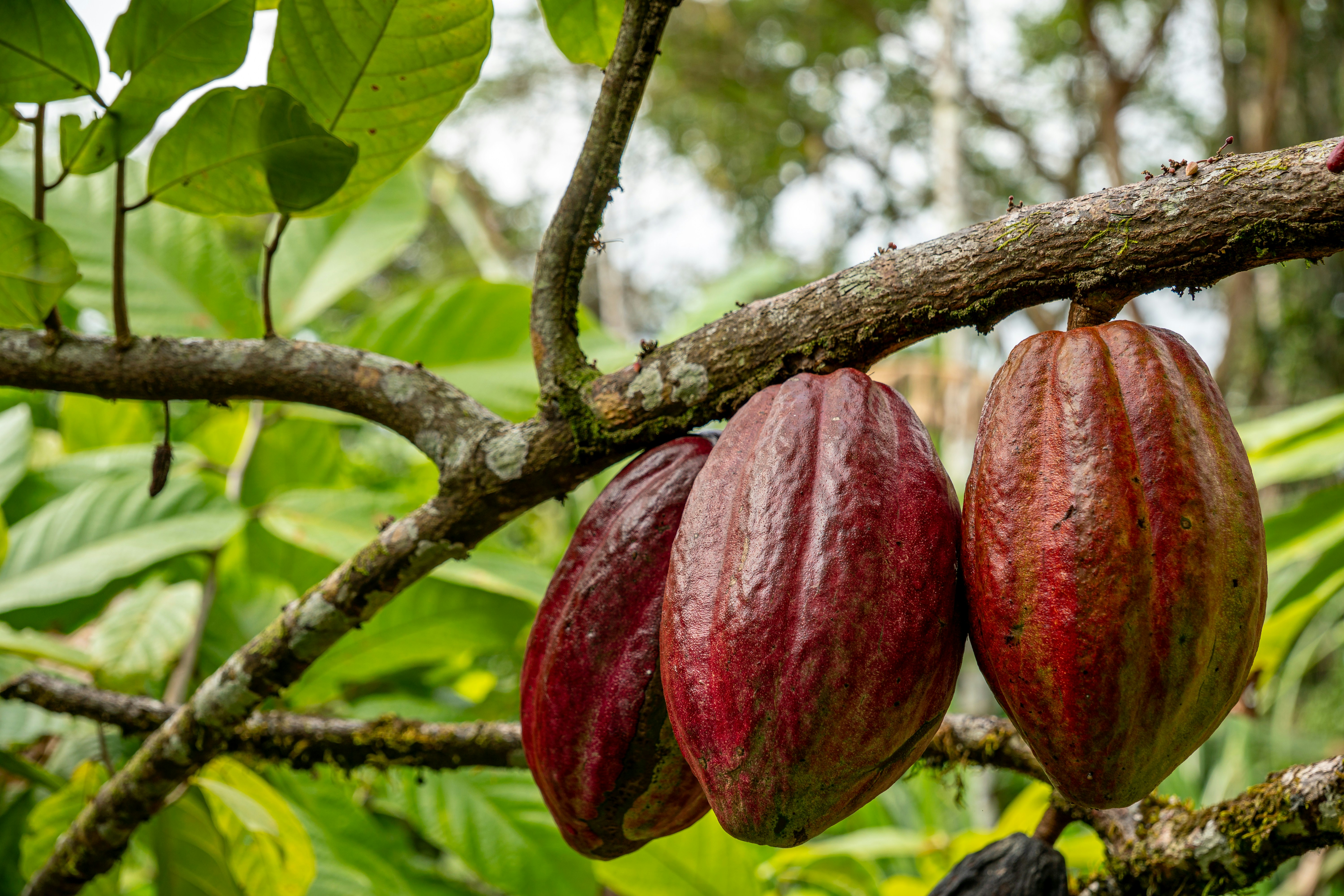
Cacao pods grow directly on the trunk and main branches of the tree, ripening at different rates across the year. In Hawaii — where there's no single growing season — most farms harvest somewhere between 20 and 30 times a year as pods ripen. The pulp around the seeds is sweet, white, and edible; the seeds themselves are bitter and inedible at this stage.
Farms you can see this on:
- Mauna Kea Cacao on the Big Island's Hāmākua Coast — single-estate, pod-opening included in the tour
- Hāmākua Chocolate Farm — monthly hands-on harvest day where you do the field work yourself
- 21 Degrees Estate on Oahu — orchard walk-through included
Stage 2: Fermentation
The wet beans (still wrapped in pulp) are piled into wooden boxes or banana-leaf-lined heaps for 5–8 days. Microbes from the pulp metabolize the sugar, the pile heats up, and the cacao seed itself begins to change — losing bitterness, developing the precursors to chocolate flavor. This is the most important and most variable step in cacao processing. The same beans fermented two different ways will produce two completely different bars.
Stage 3: Drying
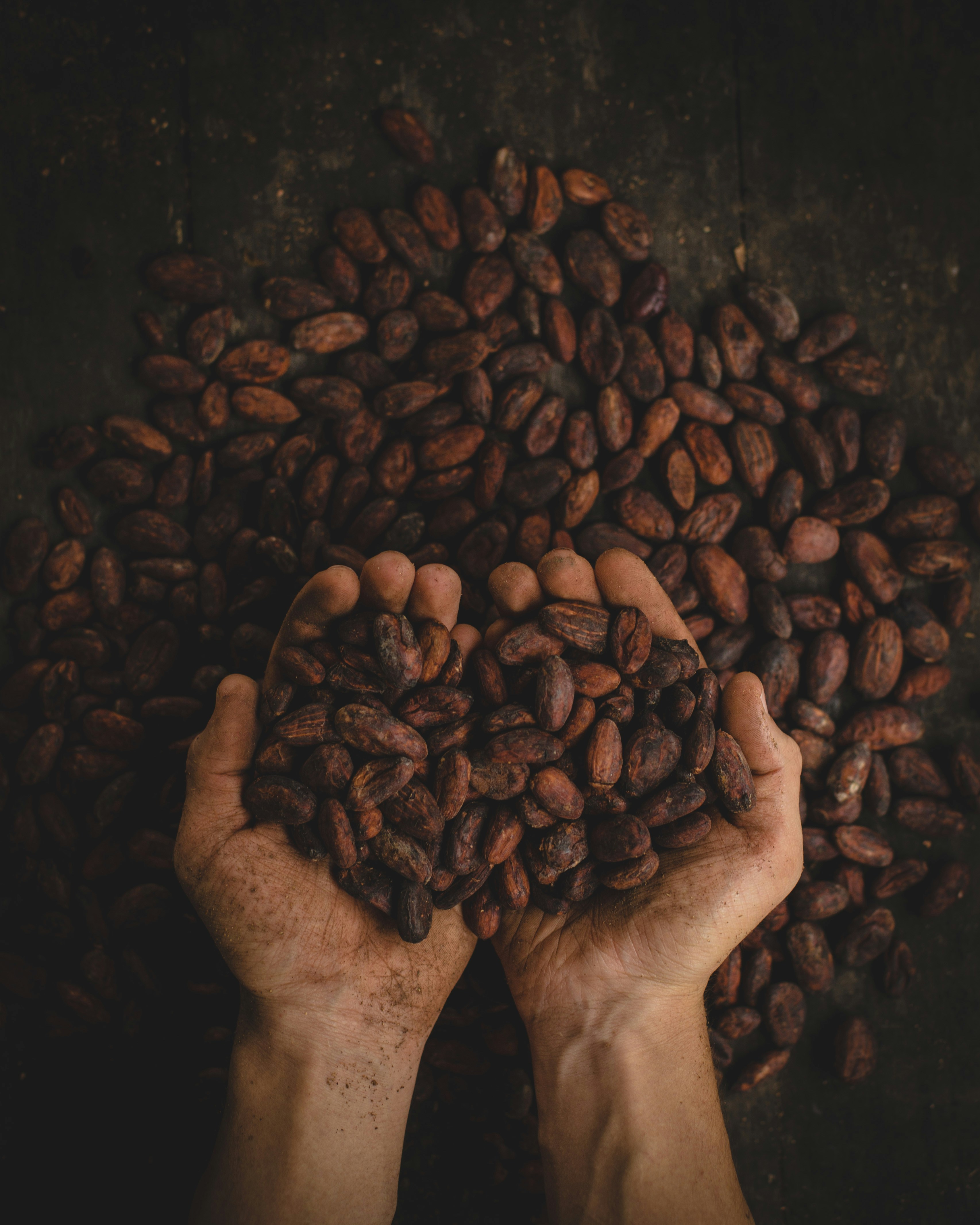
After fermentation, the beans are spread out on raised wooden tables or solar drying decks for 5–14 days. The moisture content drops from around 60% to around 7%. Hawaii's wet climate — especially on the Hilo and Hāmākua coasts — makes this the slowest step on the island, and one of the reasons some farms invest in solar-assisted drying setups.
Stage 4: Roasting and Cracking
Dried beans are roasted at relatively low temperatures (250–300°F) to develop flavor and loosen the shell. After roasting, the beans are cracked and the shells separated from the nibs — the actual chocolate-bearing part. Most Hawaii makers do this in small batches measured in kilos rather than tons.
Stage 5: Grinding and Conching
The nibs are ground into a thick paste called chocolate liquor. Sugar (and milk powder, for milk chocolate) is added and the whole mixture is mixed and aerated for 12–72 hours in a conche. This is where the final smoothness and flavor balance is set.
Stage 6: Tempering and Molding
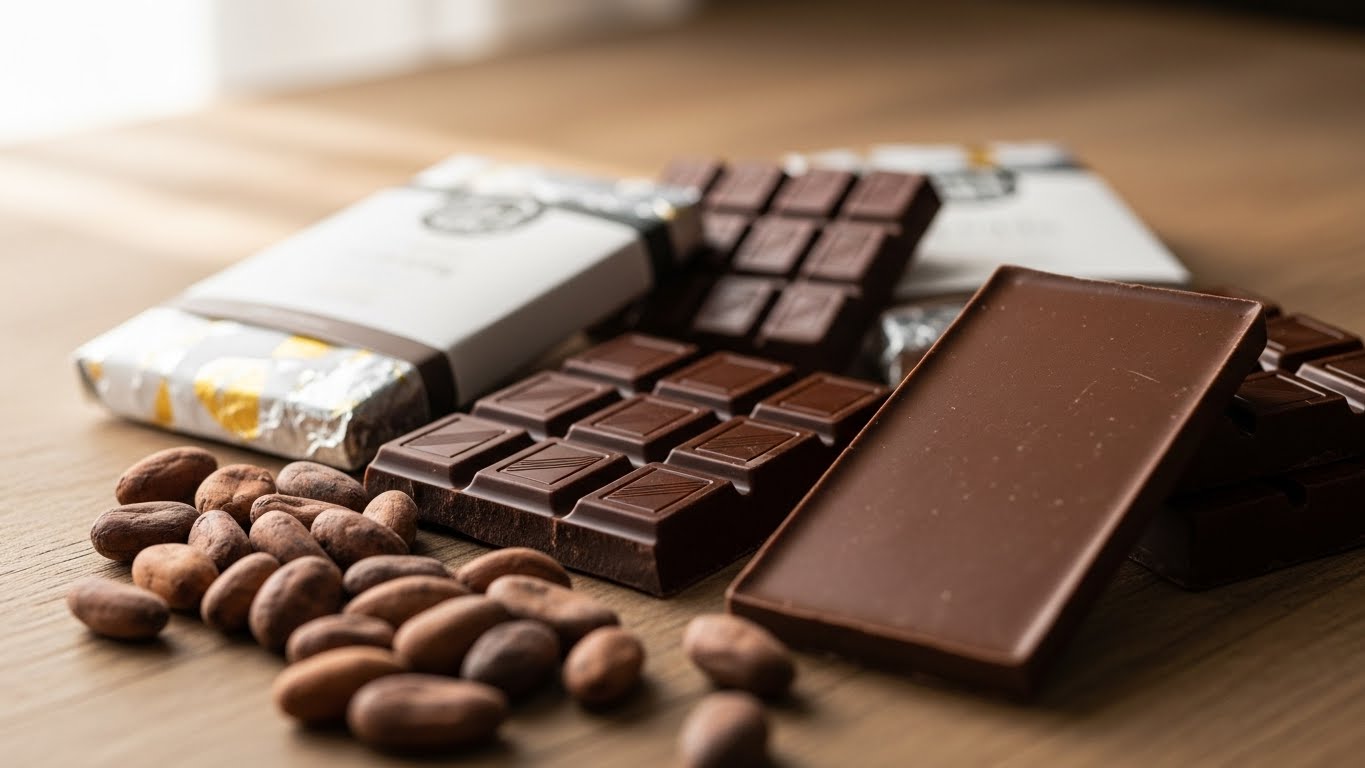
Tempering — cooling and reheating the chocolate to specific temperatures — produces the right crystal structure for a clean snap and glossy finish. The tempered chocolate is poured into bar molds, cooled, and demolded.
Hawaii operations doing every step in-house
These are the farm-to-bar Hawaii operations that grow their own cacao and finish their own chocolate on the same property:
- Mauna Kea Cacao — Hāmākua Coast (Pepeekeo, north of Hilo); won Best Cacao at the 2018 Big Island Chocolate Festival
- Hāmākua Chocolate Farm — north of Hilo
- Honoka'a Chocolate Farm — Hāmākua coast
- The Original Hawaiian Chocolate Factory — Kona side
- Maui Kuʻia Estate — Maui
- Lydgate Farms — Kauai
- Lonohana Estate — Oahu (cacao on the North Shore, chocolate-making downtown)
Keep reading
Related Articles
42 places on the map
Explore Hawaiian Chocolate
Discover 42 cacao farms, bean-to-bar makers, and tasting experiences across the Hawaiian islands.