Guides
Chocolate Makers vs. Chocolatiers: What's the Difference?
Chocolate maker vs chocolatier: makers start from cacao beans and create chocolate; chocolatiers start from finished chocolate and make bonbons, truffles, and confections.
The terms "chocolate maker" and "chocolatier" get used interchangeably, but they describe two different kinds of operations. Understanding the difference matters because it determines what you're actually paying for and what's distinctive about the product.
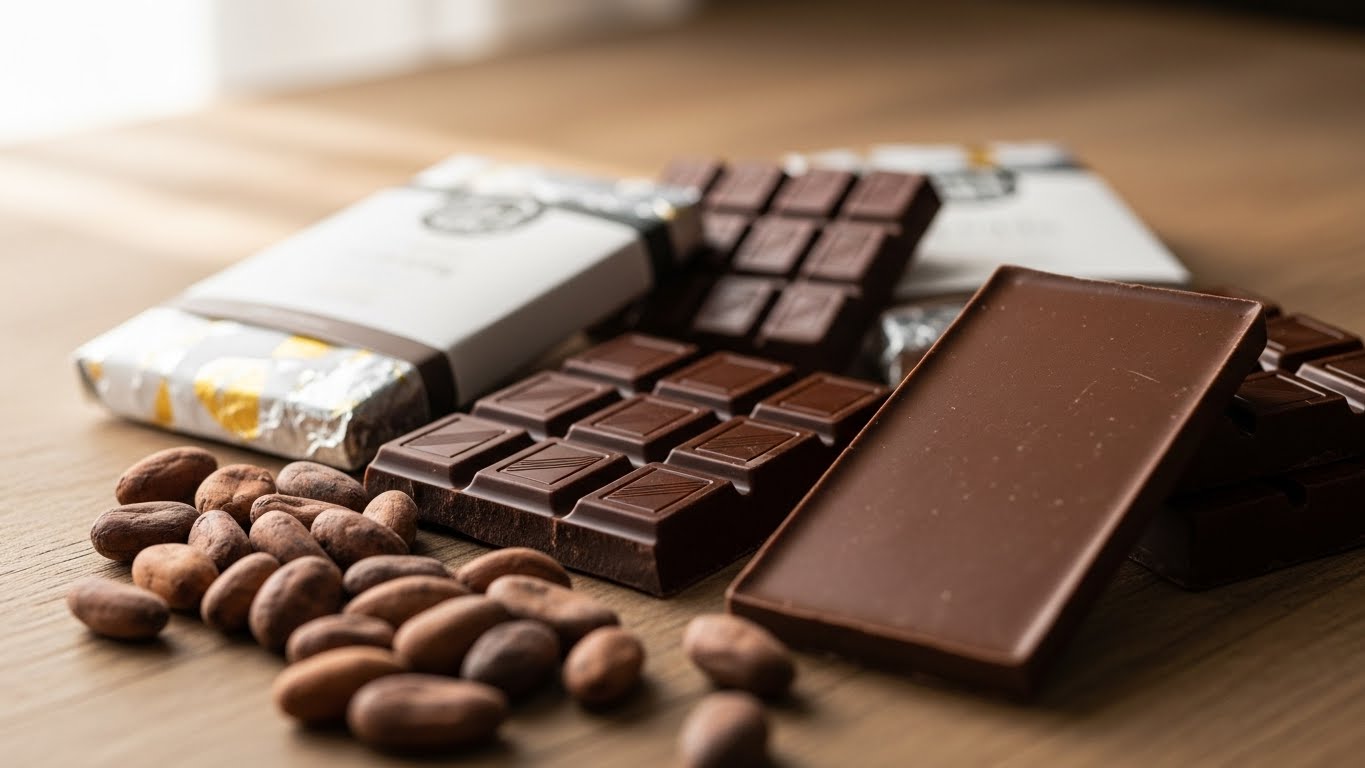
The short answer: chocolate makers start with raw cacao beans and turn them into chocolate. Chocolatiers start with finished chocolate and turn it into confections. It's the difference between a winemaker who ferments the grapes and a bartender who mixes with finished wines and spirits — both take real skill, but they're separate crafts.
Chocolate maker
A chocolate maker starts with cacao beans — usually fermented and dried, sometimes from their own farm — and converts those beans into chocolate. The work includes:
- Roasting raw beans
- Cracking and winnowing the shells off
- Grinding nibs into chocolate liquor
- Refining and conching with sugar (and milk, for milk chocolate)
- Tempering and molding into bars
This is what "bean-to-bar" means. The maker is responsible for the flavor of the chocolate itself, not just the final shape or filling.
Chocolatier
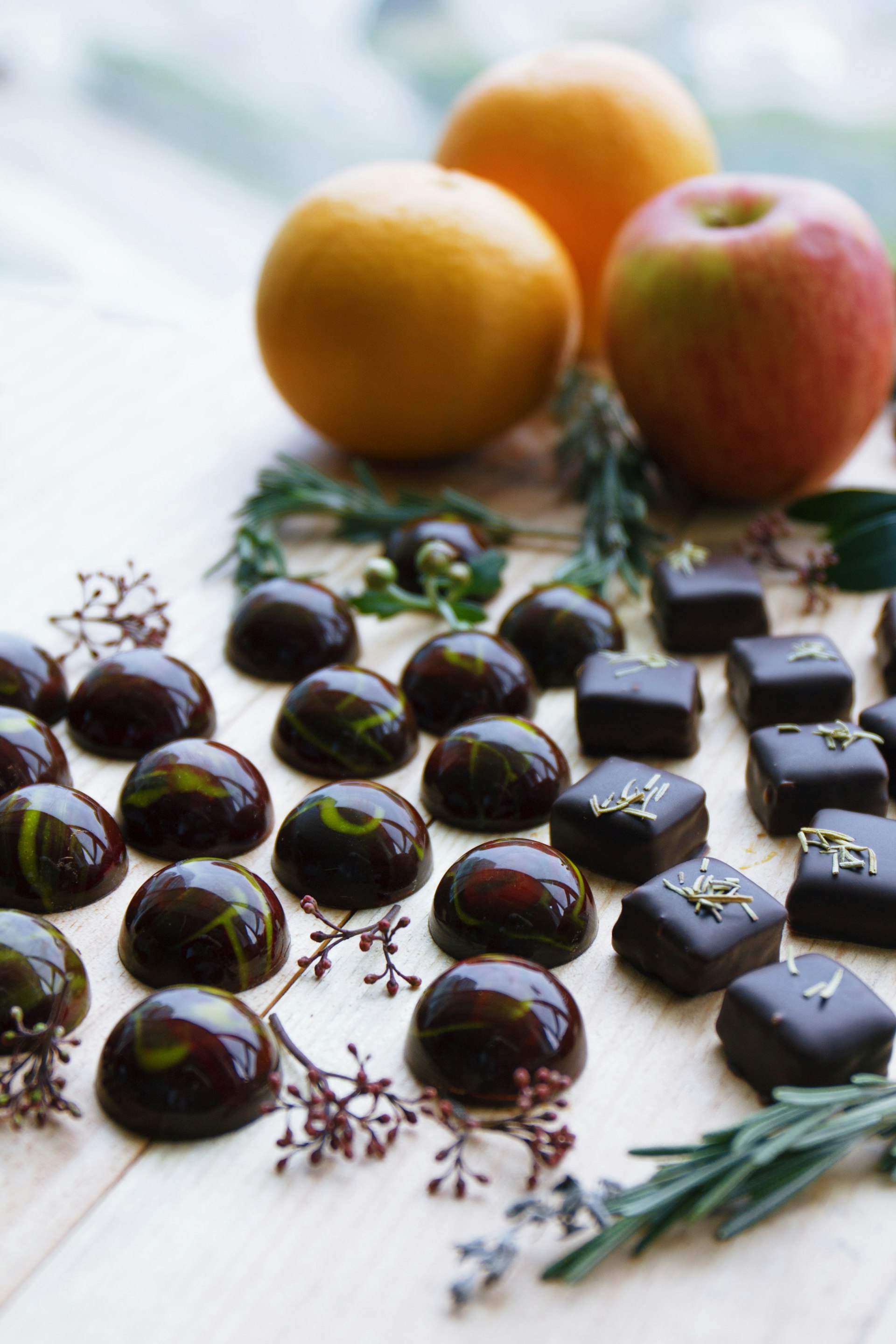
A chocolatier starts with finished chocolate — usually couverture from a large maker like Valrhona, Callebaut, or Guittard — and turns it into more complex products:
- Bonbons and truffles
- Filled bars
- Molded shapes
- Chocolate-covered confections
- Bark and brittle
A skilled chocolatier is doing real, demanding work, but the flavor of the chocolate itself was decided upstream. What the chocolatier controls is the structure, the inclusions, and the pairing.
Quick comparison
| Aspect | Chocolate maker | Chocolatier |
|---|---|---|
| Starts with | Raw cacao beans | Finished chocolate (couverture) |
| Creates | Bars, baking chocolate | Truffles, bonbons, confections |
| Key skills | Roasting, grinding, conching | Tempering, flavor pairing, decoration |
| Equipment | Roaster, winnower, melanger, conche | Tempering machine, molds, enrober |
| Time to product | Days to weeks | Hours to days |
Why this matters when you buy
When you pay a premium for a small-batch chocolate bar, you're usually paying for what the chocolate maker did. When you pay a premium for a box of bonbons, you're usually paying for what the chocolatier did. Both are legitimate; they're just different crafts.
A small operation can be both — buying their own cacao to make their own chocolate, then using that chocolate to make their own bonbons. In Hawaii this is rare but it does exist. Lavaloha on the Big Island is the clearest case: cacao grown, processed, and finished into bars on the same land, with artisanal chocolates alongside the bars.
Hawaii chocolate makers (start from beans)
These operations actually convert cacao beans into chocolate. Most are on the farm-to-bar list:
- Mānoa Chocolate — Oahu, sourcing both Hawaiian and imported cacao
- Lonohana Estate — Oahu, single-estate from their own farm
- Mauna Kea Cacao — Big Island single-estate farm; their cacao is also used by other Hawaiian makers
- Hāmākua Chocolate Farm — Big Island
- The Original Hawaiian Chocolate Factory — Big Island
- Maui Kuʻia Estate — Maui
- Lydgate Farms — Kauai
Hawaii chocolatiers (start from couverture)
Many specialty shops in Hawaii — particularly those focused on truffles, bonbons, and gift assortments — work in the chocolatier mode. The line is fuzzy because some operations buy in Hawaiian-made chocolate for their fillings, which puts them in a hybrid position.
If a shop's website talks about chocolate "creations," "confections," or specific fillings rather than cacao origin and roast profile, it's almost certainly a chocolatier operation rather than a maker. Both can be excellent — just expect different things.
Quick test when you walk in
Ask: "Do you make your own chocolate from beans, or do you start from finished chocolate?" Anyone confident in either answer is worth listening to. Anyone who can't answer is probably reselling.
Two follow-ups sharpen it further: "Where do you source your chocolate?" tells you whether a chocolatier is working with couverture worth paying for, and "Is the cacao grown in Hawaii?" separates Hawaiian-made from Hawaiian-grown — a distinction covered in Is it really Hawaiian chocolate?.
Keep reading
Related Articles
42 places on the map
Explore Hawaiian Chocolate
Discover 42 cacao farms, bean-to-bar makers, and tasting experiences across the Hawaiian islands.