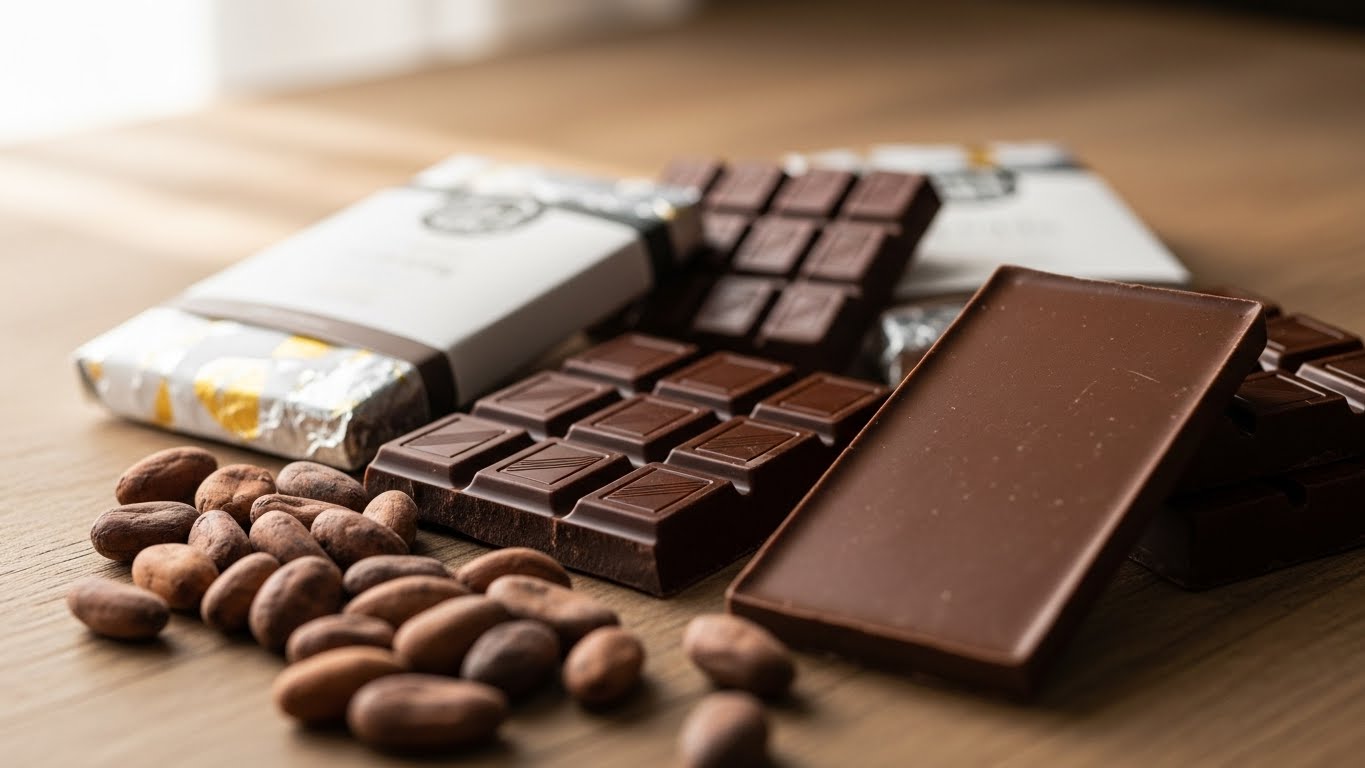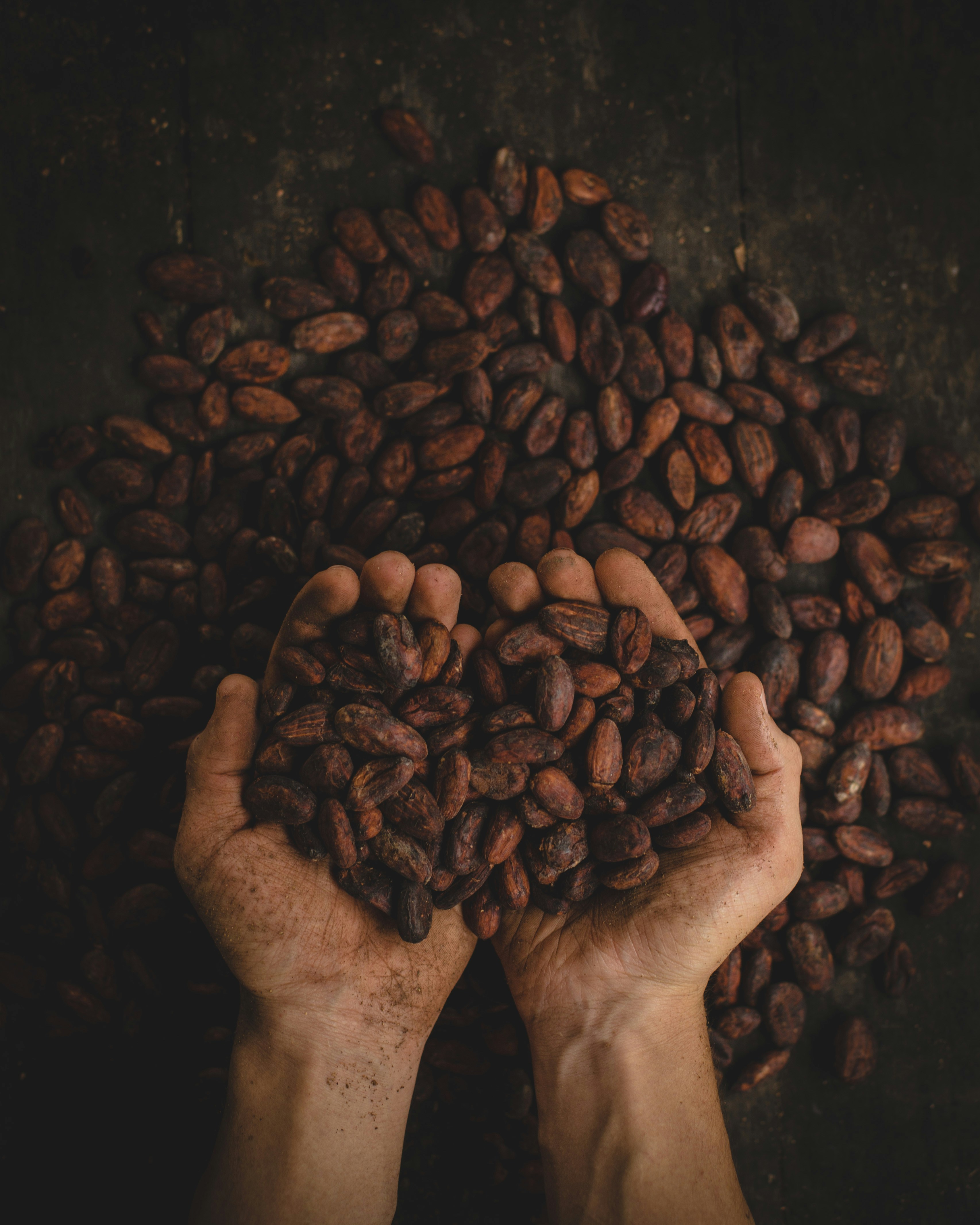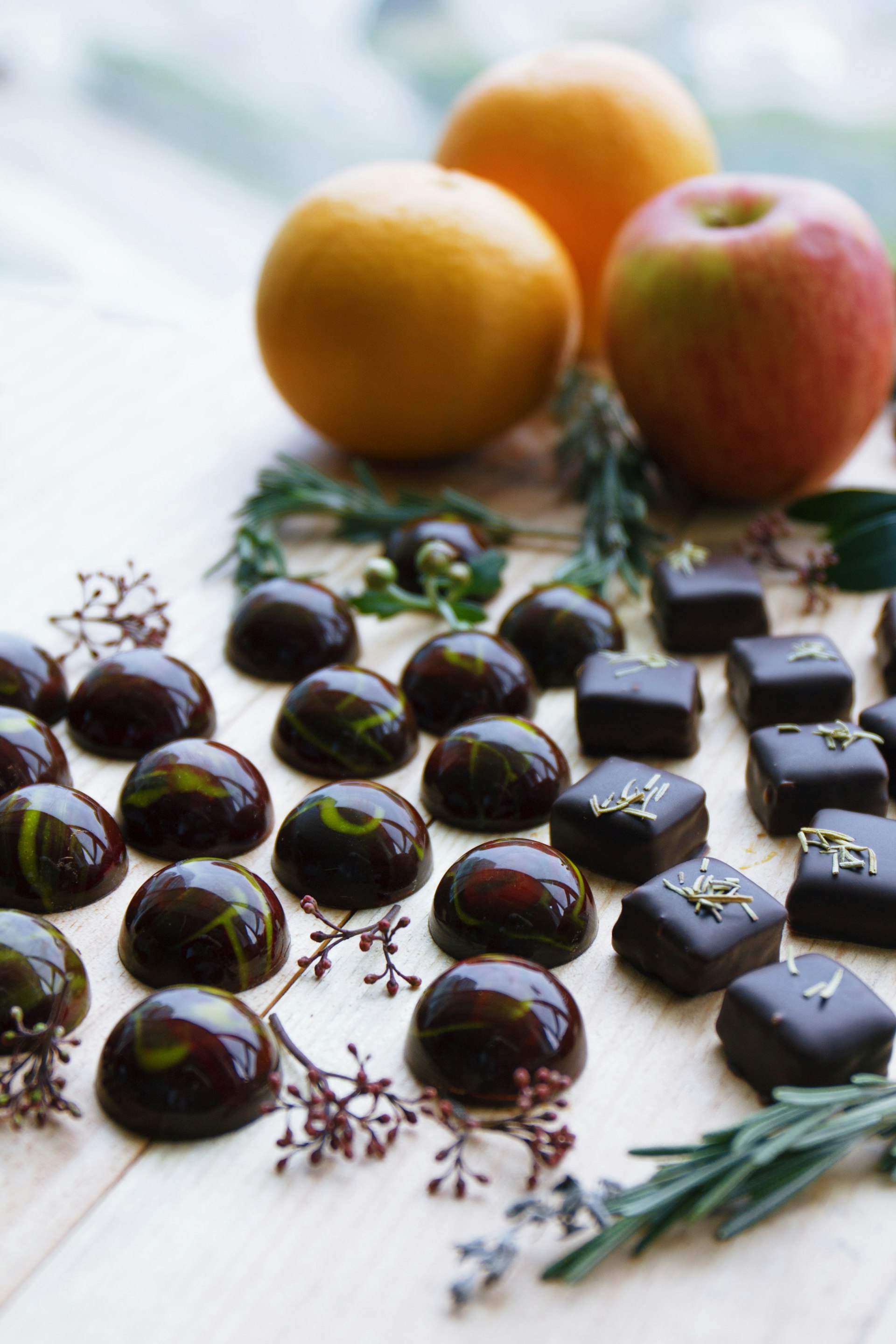
Walk into any chocolate shop and you might see the terms "chocolatier" and "chocolate maker" used interchangeably. But in the world of craft chocolate, these are two very different professions. Understanding the distinction helps you appreciate what makes Hawaiian-grown chocolate so special.
The Short Answer
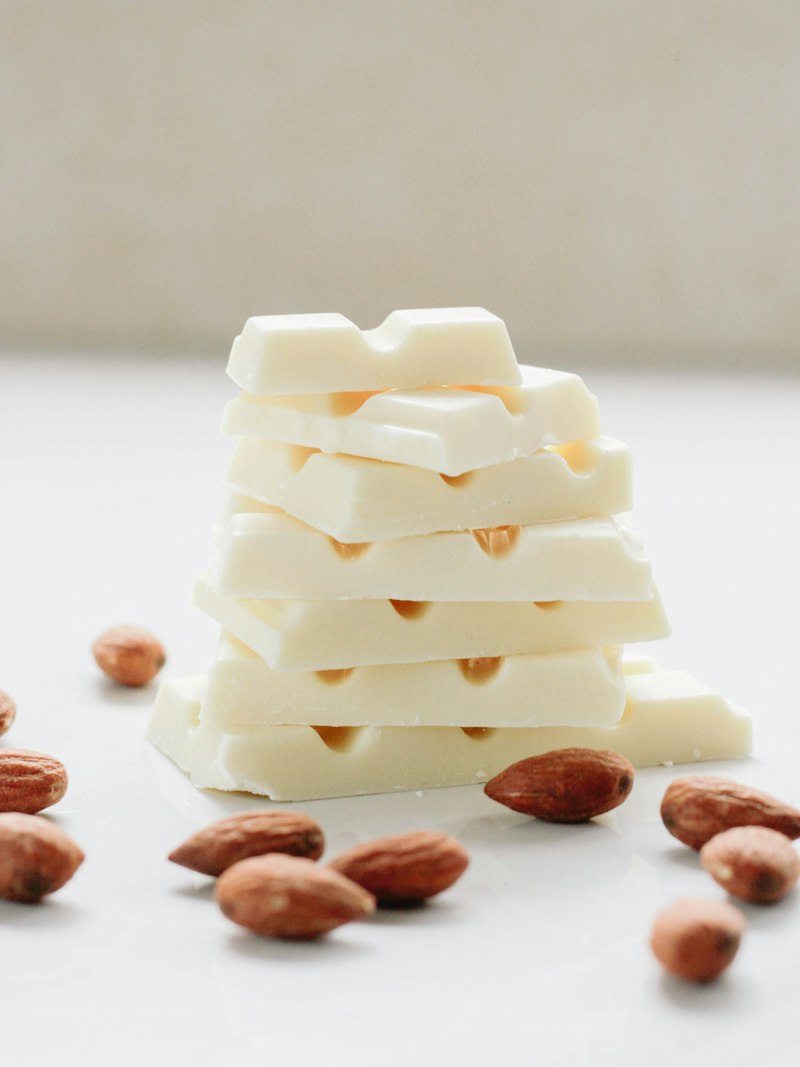
Chocolate makers start with raw cacao beans and transform them into chocolate from scratch. Chocolatiers start with pre-made chocolate and craft it into confections, truffles, and bonbons.
Think of it like the difference between a winemaker who grows grapes and ferments wine versus a bartender who mixes drinks using finished wines and spirits. Both require skill, but they're fundamentally different crafts.
What Chocolate Makers Do
Chocolate makers—also called bean-to-bar makers—handle every step of turning cacao into chocolate:
- Sourcing cacao beans directly from farms (or growing their own, as many Hawaiian makers do)
- Roasting the beans to develop flavor
- Cracking and winnowing to separate the nibs from the shell
- Grinding nibs into cocoa liquor
- Conching for hours or days to refine texture and flavor
- Tempering to create proper crystal structure
- Molding into bars
This process takes days and requires specialized equipment. The maker controls every variable, from roast temperature to conching time, which is why two bars from the same beans can taste completely different.
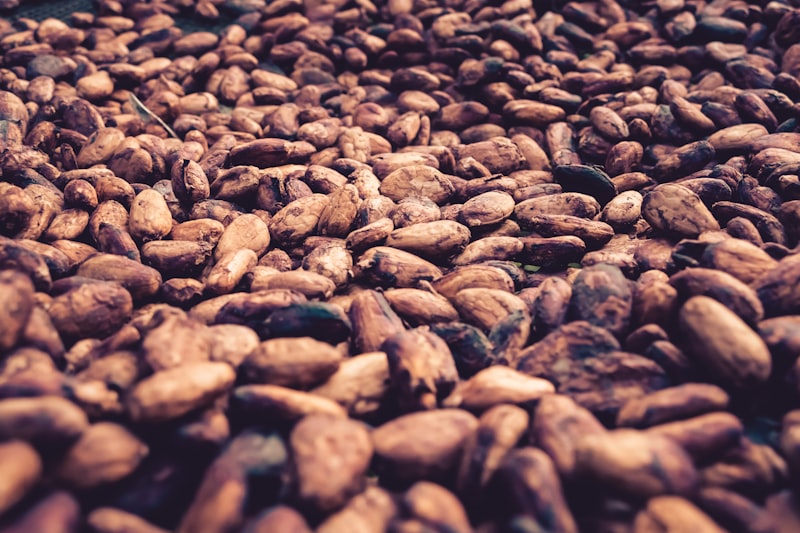
In Hawaii, makers like Mānoa Chocolate and Lydgate Farms are true bean-to-bar operations. They source cacao from Hawaiian farms—sometimes their own—and transform it on-site.
What Chocolatiers Do
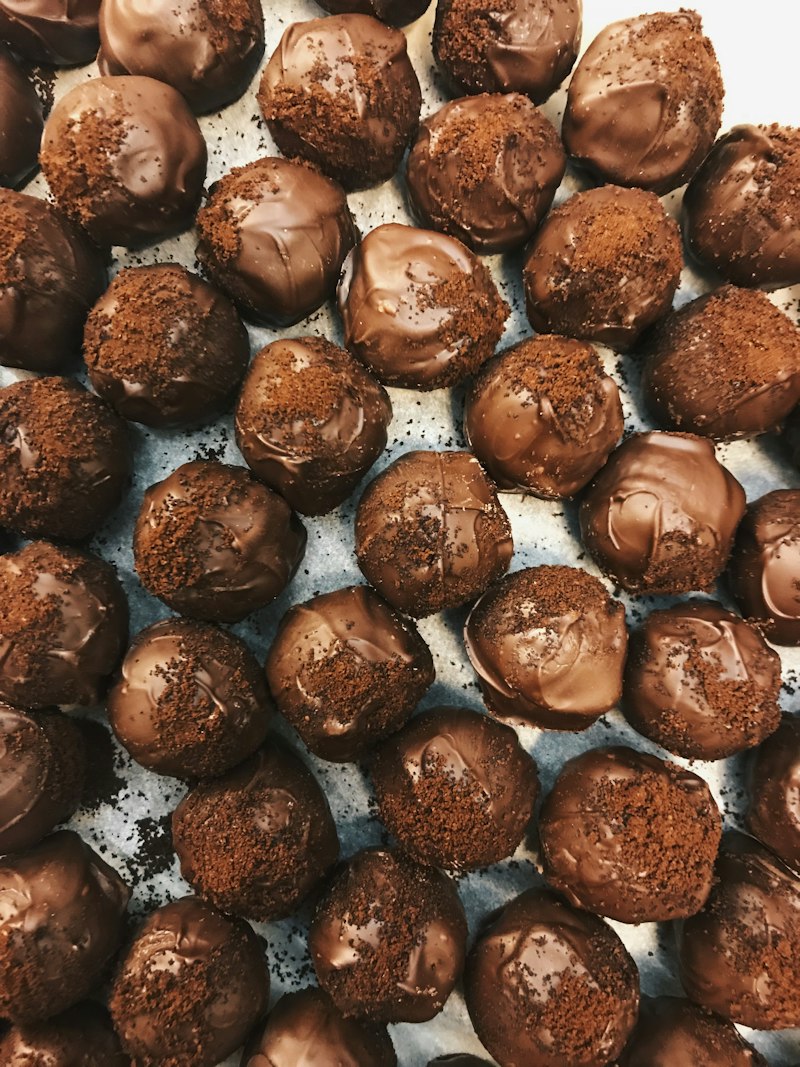
Chocolatiers are artisans who work with finished chocolate (called couverture) to create confections:
- Truffles and ganaches
- Bonbons with fillings
- Chocolate-dipped fruits and nuts
- Molded chocolates
- Chocolate decorations and showpieces
A skilled chocolatier is a master of flavor combinations, textures, and presentation. They might blend chocolates from different origins, infuse ganaches with local ingredients, or create stunning visual designs.
The craft requires deep knowledge of tempering, crystallization, and how chocolate interacts with other ingredients. Many chocolatiers train for years to perfect techniques like hand-dipping, shell molding, and enrobing.
Why This Matters in Hawaii
Hawaii is unique because it's the only U.S. state that grows cacao commercially. This means Hawaiian chocolate makers have an advantage most American makers don't: access to fresh, locally-grown cacao.
When you buy from a Hawaiian chocolate maker, you're often getting:
- Single-origin chocolate from beans grown on one farm or island
- Tree-to-bar production where the maker controls the entire process
- Terroir that reflects Hawaii's volcanic soil and tropical climate
Some Hawaiian operations do both. Lavaloha, for example, grows cacao on their Big Island farm, makes chocolate from their own beans, AND creates confections from their chocolate. They're simultaneously farmers, chocolate makers, and chocolatiers.
Quick Comparison
| Aspect | Chocolate Maker | Chocolatier |
|---|---|---|
| Starts with | Raw cacao beans | Finished chocolate |
| Creates | Chocolate bars, baking chocolate | Truffles, bonbons, confections |
| Key skills | Roasting, grinding, conching | Tempering, flavor pairing, decoration |
| Equipment | Roaster, grinder, conche | Tempering machine, molds, enrober |
| Time to product | Days to weeks | Hours to days |
Both Require Mastery
Neither profession is "better" than the other—they're different crafts that sometimes overlap. A chocolate maker might be a mediocre chocolatier, and vice versa. The best chocolate experiences often come from specialists who've dedicated themselves to their craft.
When exploring Hawaiian chocolate, ask questions:
- "Do you make your chocolate from beans?" identifies chocolate makers
- "Where do you source your chocolate?" helps identify chocolatiers using quality couverture
- "Is the cacao grown in Hawaii?" confirms you're getting true Hawaiian-origin chocolate
The Bottom Line
Next time you're shopping for Hawaiian chocolate, you'll know the difference. Chocolate makers craft the chocolate itself from raw beans—often Hawaiian-grown. Chocolatiers create confections and treats using finished chocolate.
Both play important roles in Hawaii's chocolate scene. The magic happens when you find makers who grow their own cacao, transform it into chocolate, and craft it into something delicious—all on the islands.
That's the Hawaiian chocolate experience at its best.
Tags
Chocomaps
Sharing stories about Hawaiian-grown cacao and the people who make exceptional chocolate in the islands.